


Recession-Resistant Real Estate Investing: Mobile Home Parks
When you’re investing for or in retirement, protecting your capital matters as much as growing it. Mobile home parks are one of real estate’s most resilient asset classes: residents stay an average of 10+ years, affordability keeps demand strong across economic cycles, and very few new parks are being built.
Join Vintage Capital to learn why mobile home parks have held up through downturns, the risks to watch for, and how self-directed IRA investors can add this steady, income-producing asset to their portfolio.
November 10th, 2026 1:00 PM CT
Tom Briccetti
Head of Investor Relations
Vintage Capital
Ramez Fakhoury
Vice President
IRA Club
Registration
November 10th, 2026 1:00 pm ct
Here’s What You’ll Learn
1
Why mobile home parks are recession-resistant. Residents stay about 13 years on average (vs. about 3 for apartments), demand is driven by affordability, and the supply of parks shrinks every year.
2
How the allocator model works: instead of betting on a single operator, Vintage vets and partners with a 15+ top operators nationwide, providing access to a diversified set of operators, markets, parks and deal profiles
3
How to invest in mobile home parks with a self-directed IRA, including fund vs. direct-deal options.
4
How to match a deal to your retirement goals: long-term “forever hold” parks built for steady monthly income vs. shorter 3–5 year value-add deals targeting an exit.
About Vintage Capital
Vintage Capital is an alternative investment firm specializing in mobile home parks. After nearly a decade of buying and operating parks, our cycle-tested team has deployed more than $150 million across 100+ parks and ~9,000 for over 350 investors. We focus on durable cash flow and long-term capital preservation, and we invest alongside our investors in every fund. Investors can participate through our diversified Vintage MHP Fund, individual deals, 1031 exchanges, or joint ventures.
Meet The Experts
Since 2008, IRA Club has helped investors look beyond stocks and bonds, and discover what else is out there. Meet the experts you’ll be hearing from:


VINTAGE CAPITAL
Tom Briccetti
Tom Briccetti is Head of Investor Relations at Vintage Capital. Tom had previously built a commercial real estate portfolio of 410-unit multifamily units across the Midwest before switching focus to mobile home parks, an asset class with all the characteristics multifamily investors wish multifamily had (low turnover, low new-supply risk, and low operating expenses.

Vice President of IRA Club
Ramez Fakhoury
As an entrepreneur with a rich background spanning over two decades, Ramez is deeply commited to education and inspiring individuals, empowering them to venture beyond conventional paths and diversify their investments through the power of self-direction.
IRA Club Benefits

FDIC Insured
IRA/401(k) cash is FDIC insured

Flat Fee Structure
Flat fees and straightforward pricing

Free IRA Reports
Free annual IRA tax reporting
(RMDs, 1099-R, 5498, 5500 forms)

Investor's Row
Explore alternative investment opportunities

Concierge Service
Friendly, white glove service

Educational Resources
Up-to-date educational resources on IRS regulations
Frequently Asked Questions
Here are the most common Self-Directed IRA questions. Have others?
Sign up for our webinar and ask us in person!
IRA Club provides a way for people like you to fully utilize the benefits of Self-Directed IRAs, leading to a wider range of investments and potential for better returns.
It’s an IRA that gives you more choices for where you want to invest your money, not just in regular stocks or bonds.
Self-Directed IRAs were passed by Congress back in 1974. Alternative IRA investments have always been allowed by the IRS, however, many IRA companies have placed artificial restrictions on IRA owners over the years. Self-Directed IRAs are not well known because most banks and brokerage firms prefer traditional investments.
It’s easy to make investments with a Self-Directed IRA. Once you find your investment and provide money to the seller, you will receive proof that your Self-Directed IRA is the new owner. It can be in the form of a Bill of Sale, title, deed, or simply a statement identifying your Self-Directed IRA as the asset’s new owner. The main difference is that the name on the title (or other documents) is the name of your Self-Directed IRA and not your name as an individual.
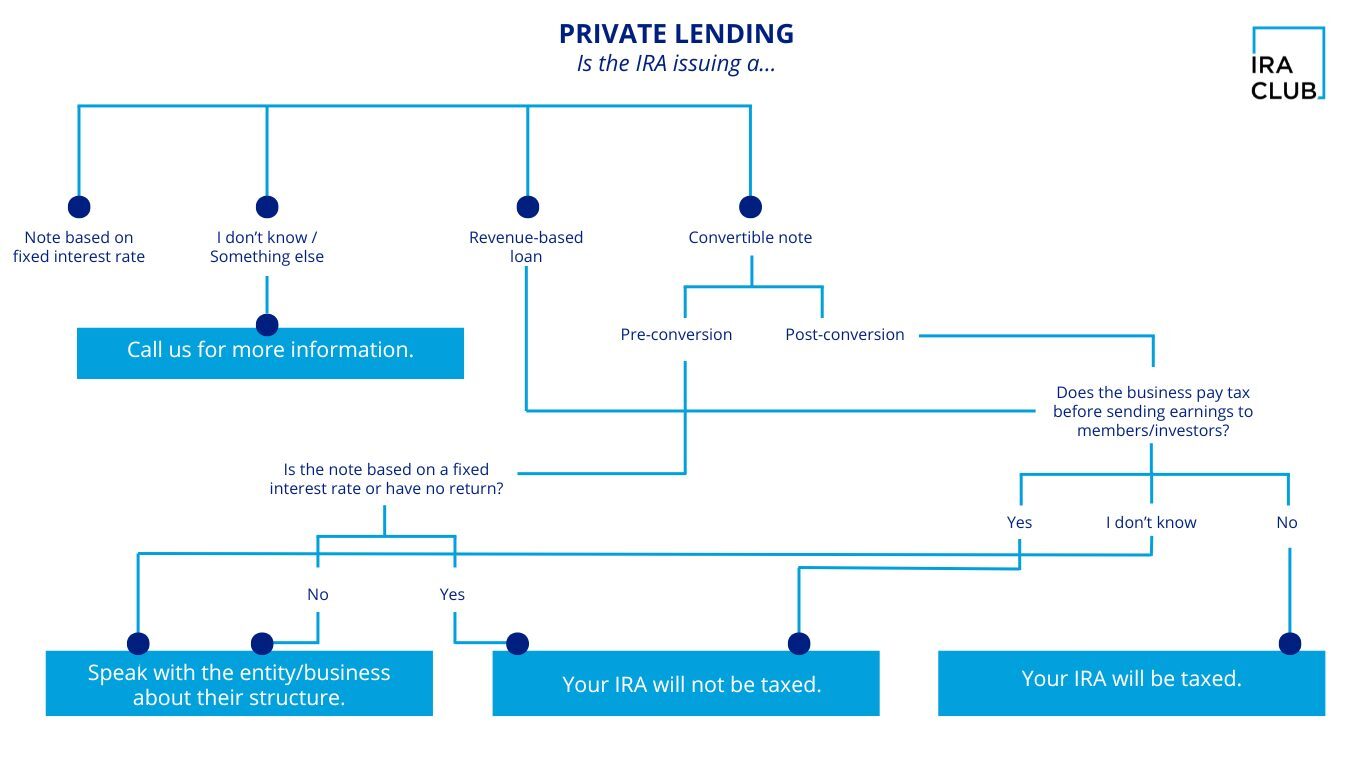
Yes. The most common way for an IRA to buy an asset is to pay cash. However, there may be times when an alternative method of payment is practical.
Maximum Contributions for 2023:
Under age 50 – $7,000.
Age 50 and over – $8,000