
Understanding Custodian Selection for Alternative Assets
Quick Summary / Key Takeaways- The fee structure and how custody and account administration fees are calculated.
- Whether the custodian permits the specific asset type under Internal Revenue Code §408 and how those assets are titled in the name of the IRA.
- Processing procedures and documentation requirements for transfers, rollovers, and asset purchases.
- How IRS reporting is handled, including issuance of Form 1099-R and Form 5498, where relevant.
- Recordkeeping practices and account servicing procedures.
A qualified IRA custodian or self-directed administrator holds and titles IRA assets, maintains required records, and issues applicable IRS reporting forms, including Form 1099-R and Form 5498 where relevant. The custodian is responsible for custody and tax reporting functions under Internal Revenue Code §408.
Introduction

Selecting a qualified IRA custodian or self-directed administrator for a self-directed IRA involves reviewing how the custodian or administrator performs its responsibilities under Internal Revenue Code §408. A qualified IRA custodian or self-directed administrator holds and titles IRA assets, maintains required records, and issues applicable IRS reporting forms, including Form 1099-R and Form 5498, where relevant.
Unlike traditional brokerage arrangements that may limit available asset types, a self-directed IRA may hold certain alternative assets permitted under Internal Revenue Code §408, such as real estate, private placement, oil & gas, or precious metals, subject to federal tax rules. The account holder directs investments within the IRA, and transactions must comply with applicable provisions, including Internal Revenue Code §4975, where relevant.
This guide outlines structural and reporting considerations to assist investors in understanding how qualified IRA custodians or self-directed administrators operate within the federal tax framework.
A qualified IRA custodian or self-directed administrator holds and titles IRA assets, maintains required records, and issues IRS reporting forms in accordance with Internal Revenue Code §408.
< h3 class="sub-section-heading">Custodian Fee Structure CategoriesThe table below provides general examples of how qualified IRA custodians or self-directed administrators may structure fees. Actual fees vary by institution and are established by the qualified IRA custodian based on its custody, recordkeeping, and reporting responsibilities under Internal Revenue Code §408.
| Provider Type | Setup Fee | Annual Maintenance | Transaction Fee |
|---|---|---|---|
| Flat Fee Specialist | $50 - $150 | $200 - $400 | $25 - $95 |
| Asset Based Firm | $0 - $50 | 0.10% – 0.50% of assets | $0 - $50 |
| Asset-Based Fee Structure | $100 - $300 | $300 - $600 | $50 - $150 |
| Digital Platform Custodian | $0 - $100 | $100 - $250 | $0 - $20 |
Asset Compatibility Categories by Custodian Type
| Provider Type | Provider Type | Private Equity | Precious Metals |
|---|---|---|---|
| Specialized Custodian or self-directed administrator | Permitted, subject to documentation and IRA titling requirements | Permitted, subject to documentation and custodian processing rules | Held through an approved depository in the name of the IRA |
| Generalist Firm | May permit certain transactions, subject to internal policy | Limited support for certain private offerings | May require approved third-party depository arrangements |
| Crypto-Focused Custodian | Generally not supported | Generally not supported | Generally limited to digital asset custody (if permitted) |
| Real Estate-Focused Custodian or Administrator | Permitted, subject to documentation and IRA titling requirements | May permit certain private investments, subject to documentation | Generally Not Supported |
Pre-Account Review Considerations
- Identify the asset categories permitted under Internal Revenue Code §408 that you intend to hold within the IRA (for example, real estate or certain private offerings), and review any structural limitations that may apply under Internal Revenue Code §4975.
- Review the qualified IRA custodian’s or self-directed administrator’s published fee schedule to understand how setup, annual maintenance, and transaction fees are structured.
- Review publicly available regulatory and institutional information regarding the qualified IRA custodian or self-directed administrator including whether it operates as a bank or trust company under applicable law.
- Confirm that the qualified IRA custodian or self-directed administrator provides custody, recordkeeping, asset titling, and IRS reporting functions consistent with Internal Revenue Code §408, including issuance of Form 1099-R and Form 5498 where relevant.
IRA Club has flat-fee, transparent pricing, which can be found on our pricing page.
Transfer and Recordkeeping Procedures
- Coordinate a direct transfer or rollover with the receiving qualified IRA custodian or self-directed administrator in accordance with Internal Revenue Code §408 and, where applicable, §408(d)(3).
- Review the custodian’s or administrator’s documentation procedures for asset purchases, transfers, valuation reporting, and required IRS filings.
- If required minimum distributions apply, review distribution processing procedures and related IRS reporting requirements with the qualified IRA custodian or self-directed administrator. IRA Club required a $500 minimum account balance.
- Maintain records of asset valuations and related documentation for reporting purposes, consistent with the qualified IRA custodian’s or administrator’s recordkeeping requirements.
Table of Contents
Section 1: Basics
Section 2: Selection Criteria
Section 3: Asset Specifics
Frequently Asked QuestionsSection 1: Basics
FAQ 1: What functions does a qualified IRA custodian or self-directed administrator perform in a self-directed IRA?
A qualified IRA custodian or self-directed administrator under Internal Revenue Code §408 holds and titles IRA assets in the name of the IRA, maintains required records, and issues applicable IRS reporting forms, including Form 1099-R and Form 5498, where relevant. The custodian or self-directed administrator processes contributions, transfers, rollovers, and distributions in accordance with federal tax reporting requirements.
In a self-directed IRA, the account holder directs the investment decisions within the account. The qualified IRA custodian or self-directed administrator does not select investments, approve investment merits, determine eligibility of a specific investment, or provide tax, legal, or investment advice. The custodian’s or administrator’s role is custodial and administrative, including asset titling, recordkeeping, and IRS reporting.
A qualified IRA custodian or self-directed administrator holds and titles IRA assets, maintains required records, and issues IRS reporting forms in accordance with Internal Revenue Code §408.
Takeaway: A qualified IRA custodian or self-directed administrator performs custody, recordkeeping, and IRS reporting functions under Internal Revenue Code §408, while investment direction remains with the account holder.FAQ 2: Why may a traditional brokerage firm not support certain assets in a self-directed IRA?
Traditional brokerage firms are generally structured to custody and process publicly traded securities, such as stocks, bonds, and mutual funds. Their internal systems and procedures may not accommodate certain alternative assets permitted under Internal Revenue Code §408, including real estate interests or certain private offerings, subject to applicable federal tax rules.
Holding non-publicly traded assets within an IRA may require additional documentation, asset titling in the name of the IRA, manual processing, and coordination with third parties. Not all brokerage firms offer custodial services for these asset types. Support for specific assets depends on the policies and operational capabilities of the qualified IRA custodian, as well as the structural requirements of Internal Revenue Code §408 and §4975, where relevant.
A qualified IRA custodian or self-directed administrator that offers self-directed IRA services may provide custody for certain alternative assets, subject to its internal procedures and federal tax requirements.
Takeaway: Support for alternative assets within an IRA depends on whether the qualified IRA custodian or self-directed administrator offers custody and processing for those asset types under its policies and applicable federal tax rules.FAQ 3: How do qualified IRA custodians or self-directed administrators operate within IRS compliance requirements?
Qualified IRA custodians or self-directed administrators perform custody and reporting functions in accordance with Internal Revenue Code §408. This includes maintaining required records and issuing applicable IRS reporting forms, including Form 5498 for contributions and certain rollovers, and Form 1099-R for distributions where relevant.
Custodians or self-directed administrators hold and title assets in the name of the IRA. Proper titling is part of the recordkeeping framework that supports compliance with federal tax rules. Transactions involving disqualified persons are governed by Internal Revenue Code §4975. The custodian’s or administrator’s role is to process transactions and maintain records; the account holder is responsible for directing investments, and the custodian does not provide tax, legal, or investment advice regarding whether a specific transaction satisfies Internal Revenue Code §408 or §4975.
Qualified self-directed IRA administrators operate under IRA custodians. IRA custodians are generally regulated as banks or trust companies under applicable federal or state law and are subject to regulatory oversight. Custodial procedures focus on asset titling, record maintenance, and required IRS reporting. IRA Club is the self-directed administrator operating under Meridian Bank.
Takeaway: Qualified IRA custodians or self-directed administrators operate within a custody, recordkeeping, and IRS reporting framework under Internal Revenue Code §408. Prohibited transaction rules are governed by Internal Revenue Code §4975, and investment direction remains with the account holder.Section 2: Selection Criteria
FAQ 4: How are fee structures typically organized by a qualified IRA custodian or self-directed administrator
Qualified IRA custodians or self-directed administrators establish their own fee schedules. Fee structures may include flat annual fees, asset-based fees calculated as a percentage of account value, transaction-based charges, setup fees, and other administrative costs. The specific structure and amounts are determined by the qualified IRA custodian or self-directed administrator and are disclosed in its published fee schedule.
An asset-based fee structure generally calculates annual fees as a percentage of assets held in the IRA. A flat-fee structure generally charges a set amount regardless of account size. Some custodians may apply tiered pricing based on the number or type of assets held. Transaction fees may apply to purchases, sales, transfers, valuations, or other account activity, depending on the custodian’s policies.
Reviewing the custodian or administrator’s published fee schedule provides information about how fees are calculated, when they are assessed, and how they apply to specific asset types. Total annual cost depends on account size, asset type, transaction volume, and the custodian’s policies.
IRA Club has flat-fee, transparent pricing, which can be found on our pricing page.
Takeaway: Fee structures vary by qualified IRA custodian or self-directed administrators and may include flat fees, asset-based fees, transaction charges, and other administrative costs as outlined in the custodian’s published schedule.FAQ 5: What factors may be relevant when evaluating a qualified IRA custodian or self-directed administrator for real estate assets?
When evaluating a qualified IRA custodian or self-directed administrator for real estate held within a self-directed IRA under Internal Revenue Code §408, review whether the custodian supports documentation, asset titling, expense processing, and recordkeeping requirements associated with real property held in the name of the IRA.
Real estate transactions within an IRA may involve deeds titled to the IRA, expenses paid from the IRA, and income received directly by the IRA. The qualified IRA custodian or self-directed administrator processes transaction documents, maintains required records, and issues applicable IRS reporting forms, including Form 1099-R and Form 5498, where relevant. Processing procedures and timelines are determined by the custodian’s internal policies.
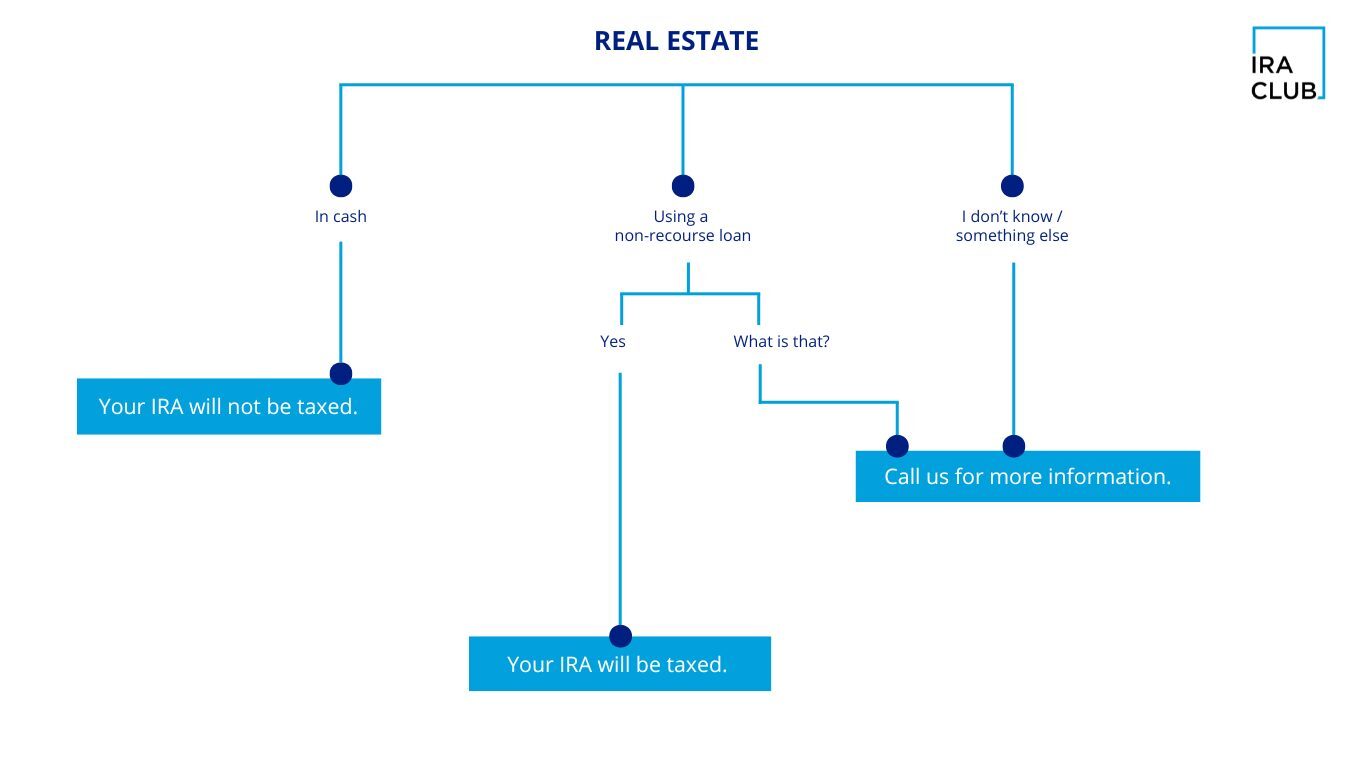
If real estate is financed within an IRA from a non-recourse loan, certain federal tax provisions, including rules related to unrelated business taxable income (UBTI) and unrelated debt-financed income (UDFI), may apply depending on the structure of the transaction. The qualified IRA custodian or self-directed administrator does not provide tax, legal, or investment advice regarding the application of Internal Revenue Code §408 or §4975 to a specific transaction.
Takeaway: Evaluation of a qualified IRA custodian or self-directed administrator for real estate typically involves reviewing its documentation procedures, asset titling practices, recordkeeping framework, and IRS reporting processes for real property held within an IRA.
FAQ 6: Does a qualified IRA custodian’s physical location affect a self-directed IRA?
A qualified IRA custodian or administrator’s physical office location generally does not affect day-to-day account administration. Most documentation, transaction processing, and recordkeeping functions are handled electronically or by mail.
The custodian’s charter and regulatory status may be relevant. Qualified IRA custodians typically operate as banks or trust companies under applicable federal or state law and are subject to regulatory oversight. The governing law and supervisory authority depend on the custodian’s charter.
Operational procedures, including documentation submission, processing timelines, and account access methods, vary by custodian. These procedures are established by the qualified IRA custodian and disclosed in its account agreements and service materials.
Takeaway: A qualified IRA custodian’s physical location is generally less relevant than its regulatory status, internal procedures, custody framework, and IRS reporting responsibilities under Internal Revenue Code §408.FAQ 7: What is the difference between a custodian and a facilitator?
A qualified IRA custodian is a bank or trust company that holds and titles IRA assets in the name of the IRA, maintains required records, and issues applicable IRS reporting forms, including Form 1099-R and Form 5498 where relevant, in accordance with Internal Revenue Code §408.
A facilitator, sometimes referred to as a “checkbook IRA” provider, typically assists with establishing a legal structure, such as a limited liability company (LLC), that may be owned by the IRA. A facilitator does not serve as the IRA custodian and does not perform the custody, recordkeeping, or IRS reporting functions required under Internal Revenue Code §408.
In structures that involve an LLC owned by the IRA, the qualified IRA custodian continues to hold and title the IRA, maintain required records, and report contributions, transfers, and distributions to the IRS. The facilitator’s role, if used, generally relates to document preparation or entity formation services. Facilitators do not replace the qualified IRA custodian.
Fees and service arrangements vary by provider. A facilitator may charge entity formation or administrative fees, while the qualified IRA custodian charges custody and reporting fees under its published fee schedule.
A qualified IRA custodian holds and titles IRA assets, maintains required records, and issues applicable IRS reporting forms in accordance with Internal Revenue Code §408.
IRA Club is a self-directed administrator operating under Meridian Bank as the custodian. IRA Club manages the operations of all retirement accounts, including all administrative responsibilities, IRS filings, prohibited transaction analysis, required minimum distributions (RMDs), and can set up checkbook IRA LLCs in-house.
Takeaway: A qualified IRA custodian performs custody, recordkeeping, and IRS reporting functions under Internal Revenue Code §408. A facilitator, if used, assists with structural or entity-related setup but does not hold IRA assets or fulfill custodial reporting responsibilities.Section 3: Asset Specifics
FAQ 8: Can a qualified IRA custodian support both digital assets and real estate within a self-directed IRA?
Some qualified IRA custodians offer custody services for multiple asset types, which may include certain digital assets and real estate interests permitted under Internal Revenue Code §408. Other custodians limit their services to specific asset categories based on internal policies, operational procedures, and regulatory considerations.
Support for digital assets may involve coordination with third-party technology or wallet providers, depending on the custodian’s structure and custody model. Real estate held within an IRA requires asset titling in the name of the IRA, documentation processing, record maintenance, and applicable IRS reporting. The scope of services and processing procedures varies by qualified IRA custodian.
A qualified IRA custodian holds and titles IRA assets, maintains required records, and issues applicable IRS reporting forms, including Form 1099-R and Form 5498 where relevant, in accordance with Internal Revenue Code §408. The custodian does not select investments, approve investment merits, or provide tax, legal, or investment advice regarding specific asset types.
Availability of multi-asset custody depends on the custodian’s published service offerings, account agreements, and internal procedures.
IRA Club, as a self-directed administrator, allows for both real estate and digital assets under your self-directed IRA.
Takeaway: Whether a single qualified IRA custodian supports both digital assets and real estate depends on its internal policies, custody model, and published service scope under Internal Revenue Code §408.
Section 1: Basics

FAQ 1: What functions does a qualified IRA custodian or self-directed administrator perform in a self-directed IRA?
A qualified IRA custodian or self-directed administrator under Internal Revenue Code §408 holds and titles IRA assets in the name of the IRA, maintains required records, and issues applicable IRS reporting forms, including Form 1099-R and Form 5498, where relevant. The custodian or self-directed administrator processes contributions, transfers, rollovers, and distributions in accordance with federal tax reporting requirements. In a self-directed IRA, the account holder directs the investment decisions within the account. The qualified IRA custodian or self-directed administrator does not select investments, approve investment merits, determine eligibility of a specific investment, or provide tax, legal, or investment advice. The custodian’s or administrator’s role is custodial and administrative, including asset titling, recordkeeping, and IRS reporting. A qualified IRA custodian or self-directed administrator holds and titles IRA assets, maintains required records, and issues IRS reporting forms in accordance with Internal Revenue Code §408.
FAQ 2: Why may a traditional brokerage firm not support certain assets in a self-directed IRA?
Traditional brokerage firms are generally structured to custody and process publicly traded securities, such as stocks, bonds, and mutual funds. Their internal systems and procedures may not accommodate certain alternative assets permitted under Internal Revenue Code §408, including real estate interests or certain private offerings, subject to applicable federal tax rules. Holding non-publicly traded assets within an IRA may require additional documentation, asset titling in the name of the IRA, manual processing, and coordination with third parties. Not all brokerage firms offer custodial services for these asset types. Support for specific assets depends on the policies and operational capabilities of the qualified IRA custodian, as well as the structural requirements of Internal Revenue Code §408 and §4975, where relevant. A qualified IRA custodian or self-directed administrator that offers self-directed IRA services may provide custody for certain alternative assets, subject to its internal procedures and federal tax requirements.
FAQ 3: How do qualified IRA custodians or self-directed administrators operate within IRS compliance requirements?
Qualified IRA custodians or self-directed administrators perform custody and reporting functions in accordance with Internal Revenue Code §408. This includes maintaining required records and issuing applicable IRS reporting forms, including Form 5498 for contributions and certain rollovers, and Form 1099-R for distributions where relevant. Custodians or self-directed administrators hold and title assets in the name of the IRA. Proper titling is part of the recordkeeping framework that supports compliance with federal tax rules. Transactions involving disqualified persons are governed by Internal Revenue Code §4975. The custodian’s or administrator’s role is to process transactions and maintain records; the account holder is responsible for directing investments, and the custodian does not provide tax, legal, or investment advice regarding whether a specific transaction satisfies Internal Revenue Code §408 or §4975. Qualified self-directed IRA administrators operate under IRA custodians. IRA custodians are generally regulated as banks or trust companies under applicable federal or state law and are subject to regulatory oversight. Custodial procedures focus on asset titling, record maintenance, and required IRS reporting. IRA Club is the self-directed administrator operating under Meridian Bank.
Section 2: Selection Criteria
FAQ 4: How are fee structures typically organized by a qualified IRA custodian or self-directed administrator
Qualified IRA custodians or self-directed administrators establish their own fee schedules. Fee structures may include flat annual fees, asset-based fees calculated as a percentage of account value, transaction-based charges, setup fees, and other administrative costs. The specific structure and amounts are determined by the qualified IRA custodian or self-directed administrator and are disclosed in its published fee schedule. An asset-based fee structure generally calculates annual fees as a percentage of assets held in the IRA. A flat-fee structure generally charges a set amount regardless of account size. Some custodians may apply tiered pricing based on the number or type of assets held. Transaction fees may apply to purchases, sales, transfers, valuations, or other account activity, depending on the custodian’s policies. Reviewing the custodian or administrator’s published fee schedule provides information about how fees are calculated, when they are assessed, and how they apply to specific asset types. Total annual cost depends on account size, asset type, transaction volume, and the custodian’s policies. IRA Club has flat-fee, transparent pricing, which can be found on our pricing page.
FAQ 5: What factors may be relevant when evaluating a qualified IRA custodian or self-directed administrator for real estate assets?
When evaluating a qualified IRA custodian or self-directed administrator for real estate held within a self-directed IRA under Internal Revenue Code §408, review whether the custodian supports documentation, asset titling, expense processing, and recordkeeping requirements associated with real property held in the name of the IRA. Real estate transactions within an IRA may involve deeds titled to the IRA, expenses paid from the IRA, and income received directly by the IRA. The qualified IRA custodian or self-directed administrator processes transaction documents, maintains required records, and issues applicable IRS reporting forms, including Form 1099-R and Form 5498, where relevant. Processing procedures and timelines are determined by the custodian’s internal policies. If real estate is financed within an IRA from a non-recourse loan, certain federal tax provisions, including rules related to unrelated business taxable income (UBTI) and unrelated debt-financed income (UDFI), may apply depending on the structure of the transaction. The qualified IRA custodian or self-directed administrator does not provide tax, legal, or investment advice regarding the application of Internal Revenue Code §408 or §4975 to a specific transaction.
FAQ 6: Does a qualified IRA custodian’s physical location affect a self-directed IRA?
A qualified IRA custodian or administrator’s physical office location generally does not affect day-to-day account administration. Most documentation, transaction processing, and recordkeeping functions are handled electronically or by mail. The custodian’s charter and regulatory status may be relevant. Qualified IRA custodians typically operate as banks or trust companies under applicable federal or state law and are subject to regulatory oversight. The governing law and supervisory authority depend on the custodian’s charter. Operational procedures, including documentation submission, processing timelines, and account access methods, vary by custodian. These procedures are established by the qualified IRA custodian and disclosed in its account agreements and service materials.
FAQ 7: What is the difference between a custodian and a facilitator?
A qualified IRA custodian is a bank or trust company that holds and titles IRA assets in the name of the IRA, maintains required records, and issues applicable IRS reporting forms, including Form 1099-R and Form 5498 where relevant, in accordance with Internal Revenue Code §408. A facilitator, sometimes referred to as a “checkbook IRA” provider, typically assists with establishing a legal structure, such as a limited liability company (LLC), that may be owned by the IRA. A facilitator does not serve as the IRA custodian and does not perform the custody, recordkeeping, or IRS reporting functions required under Internal Revenue Code §408. In structures that involve an LLC owned by the IRA, the qualified IRA custodian continues to hold and title the IRA, maintain required records, and report contributions, transfers, and distributions to the IRS. The facilitator’s role, if used, generally relates to document preparation or entity formation services. Facilitators do not replace the qualified IRA custodian. Fees and service arrangements vary by provider. A facilitator may charge entity formation or administrative fees, while the qualified IRA custodian charges custody and reporting fees under its published fee schedule. A qualified IRA custodian holds and titles IRA assets, maintains required records, and issues applicable IRS reporting forms in accordance with Internal Revenue Code §408. IRA Club is a self-directed administrator operating under Meridian Bank as the custodian. IRA Club manages the operations of all retirement accounts, including all administrative responsibilities, IRS filings, prohibited transaction analysis, required minimum distributions (RMDs), and can set up checkbook IRA LLCs in-house.
Section 3: Asset Specifics
FAQ 8: Can a qualified IRA custodian support both digital assets and real estate within a self-directed IRA?
Some qualified IRA custodians offer custody services for multiple asset types, which may include certain digital assets and real estate interests permitted under Internal Revenue Code §408. Other custodians limit their services to specific asset categories based on internal policies, operational procedures, and regulatory considerations. Support for digital assets may involve coordination with third-party technology or wallet providers, depending on the custodian’s structure and custody model. Real estate held within an IRA requires asset titling in the name of the IRA, documentation processing, record maintenance, and applicable IRS reporting. The scope of services and processing procedures varies by qualified IRA custodian. A qualified IRA custodian holds and titles IRA assets, maintains required records, and issues applicable IRS reporting forms, including Form 1099-R and Form 5498 where relevant, in accordance with Internal Revenue Code §408. The custodian does not select investments, approve investment merits, or provide tax, legal, or investment advice regarding specific asset types. Availability of multi-asset custody depends on the custodian’s published service offerings, account agreements, and internal procedures. IRA Club, as a self-directed administrator, allows for both real estate and digital assets under your self-directed IRA.