
Inheriting an IRA can leave you with two immediate concerns: what the IRS expects you to do with the account, and what administrative and investment direction options may be available for inherited IRA assets. Many beneficiaries assume they must simply take withdrawals and keep the account with the original brokerage in publicly traded assets such as stocks or mutual funds. In many cases, though, a self-directed inherited IRA may allow access to permitted asset types beyond traditional brokerage assets.
An inherited IRA may be moved to a qualified IRA custodian or self-directed administrator that permits self-directed holdings, including assets such as real estate, private placements, promissory notes, or precious metals, subject to IRS rules and custodian requirements.
The key is understanding that self-direction does not erase inherited IRA rules. Your beneficiary classification, the type of IRA you inherited, and the required withdrawal timeline all shape what account actions may be available.
What Is a Self-Directed Inherited IRA?
An inherited IRA is a retirement account established for a beneficiary after the original owner passes away. Unlike a personal IRA, this account remains subject to beneficiary withdrawal requirements and cannot accept new annual contributions unless inherited from a spouse who decides to roll the funds into their personal IRA account.
A self-directed inherited IRA simply means that the inherited account is held with a qualified IRA custodian or self-directed administrator like IRA Club, which permits alternative asset types. The account is still inherited, still tied to the original owner’s death date, and still governed by beneficiary rules. What changes is the account’s investment direction process, not the inherited IRA rules.
If the inherited IRA is transferred from a brokerage to a qualified IRA custodian or self-directed administrator that permits self-directed holdings, the beneficiary may direct the account toward permitted alternative asset types, subject to IRS rules and custodian requirements. To understand your individual inherited situation, schedule a call with an IRA expert.
The inherited account must also remain titled correctly. An example registration may look like this: John Smith IRA (deceased 3/10/2026) FBO Jane Smith Beneficiary IRA. That naming convention matters because it reflects the inherited status of the account.
What Types of IRAs Can Be Inherited and Held as Self-Directed IRAs?
Several IRA categories may be transferred to a qualified IRA custodian or self-directed administrator that permits self-directed holdings, subject to IRS rules, account documents, and custodian requirements. These may include:
- Traditional IRAs
- Roth IRAs
- SEP IRAs
- SIMPLE IRAs
Tax treatment may differ depending on the account type, especially under inherited Roth IRA rules, but self-directed administration may still be available for permitted asset types. In short, the IRS payout rules may change from one account to another depending on the relationship to the deceased, as well as the election the beneficiary wishes to take the account.
Beneficiary Types and the Rules That Apply to Each
The beneficiary category affects how long an inherited IRA may remain open and when distributions may be required. This classification determines how long the inherited account can stay open and how quickly money must come out.
Spouse Beneficiaries May Have Additional Account Options
A spouse’s inherited IRA may provide additional account options under beneficiary IRA rules. A surviving spouse may:
- treat the account as their own IRA, or
- Keep it as an inherited beneficiary IRA.
Spouse beneficiary rules are different from non-spouse beneficiary rules and may not require the same 10-year distribution schedule. It is also important to note that the SECURE Act and SECURE Act 2.0 changed the inherited IRA rules, making the age and date at which the deceased passed relevant.
Most Non-Spouse Beneficiaries Follow the 10-Year Rule
For most adult children, relatives, and named heirs, the SECURE Act(s) generally requires the inherited IRA to be fully distributed by December 31 of the tenth year after the original owner’s death.
A simple example: if the original IRA owner dies in 2026, the account generally must be emptied by Dec. 31, 2036.
This is one of the main inherited IRA distribution rules, but it does not always mean the beneficiary can wait until year ten and withdraw everything at once. In some situations, annual withdrawals may also be required during years one through nine, depending on the age of the original owner if they had already started taking Required Minimum Distributions (RMDs).
Eligible Designated Beneficiaries May Have Life Expectancy Withdrawal Treatment
Certain beneficiaries receive different payout treatment under current beneficiary IRA rules. Eligible Designated Beneficiaries may be able to use a life expectancy distribution method instead of following the standard 10-year depletion period.
This category may include:
- a minor child of the original owner,
- a disabled individual,
- a chronically ill individual, or
- someone not more than 10 years younger than the decedent.
There is an important limitation here: once a minor child reaches the age of majority, the 10-year clock generally begins.
Trusts, Estates, and Other Non-Designated Beneficiaries
Sometimes the inherited IRA is payable to a trust, estate, charity, or another entity rather than a person. In those cases, the rules for inherited IRA accounts may follow a different payout schedule, such as the 5-year rule or distributions based on the decedent’s remaining life expectancy.
These accounts matter because there is no living individual beneficiary whose life expectancy can be used in the same way. That makes the withdrawal timing more technical and may require review before an inherited IRA transfer is initiated.
Inherited IRA Distribution Rules for Beneficiaries
Once the beneficiary category is identified, the next question is when distributions may be required under IRS rules. This distribution requirement is part of the account administration review before inherited IRA assets are directed into self-directed holdings.
Under current inherited IRA withdrawal rules, a key factor is whether the original owner died before or after their required beginning date for required minimum distributions. That required beginning date is generally tied to the IRS RMD age.
If the owner died on or after the required beginning date, the beneficiary may need to take annual required minimum distributions during the 10-year window and still empty the account by year ten. If the owner died before reaching that point, the annual payout requirement may be handled differently.
Following SECURE Act implementation, the IRS provided penalty relief for certain missed beneficiary RMDs during earlier transition years. That relief did not extend the 10-year distribution deadline. Beneficiary RMD obligations may need to be reviewed each year because distribution treatment can depend on the beneficiary category, the original owner’s age, and applicable IRS guidance.
Traditional vs. Roth Inherited IRA Withdrawal Differences
Traditional inherited IRA withdrawals are generally taxable as ordinary income to the beneficiary.
Inherited Roth IRA rules are different. If Roth IRA qualification rules are met, distributions from an inherited Roth IRA may be tax-free. The account may still remain subject to inherited IRA distribution rules, including the applicable 10-year deadline or other beneficiary payout treatment.
For example, a Traditional inherited IRA distribution may create taxable income for the beneficiary. A Roth inherited IRA distribution may receive different tax treatment if Roth qualification rules are satisfied. Tax treatment depends on the account type, beneficiary category, and applicable IRS rules. For more on self-directed Roth IRA structures, see our /self-directed-roth-ira/ page.
What Happens If You Miss a Required Distribution?
Missing a required inherited IRA distribution can create tax reporting and account administration issues. IRS excise penalties may apply, and correcting missed distributions later can complicate tax reporting.
Even with IRS relief for certain missed beneficiary RMDs during earlier transition years, beneficiaries may not be able to treat skipped withdrawals as penalty-free or administratively resolved without review.
Can an Inherited IRA Be Held as a Self-Directed IRA?
After reviewing distribution timing, the next question is investment direction. So, can an inherited IRA be held as a self-directed inherited IRA? In many cases, an inherited IRA may be held with a qualified IRA custodian or self-directed administrator that permits self-directed holdings.
Inherited IRA assets may generally be transferred from a traditional brokerage to a qualified IRA custodian that permits self-directed holdings. A key self-directed inherited IRA rule is that the inherited account must remain inherited during the move.
A trustee-to-trustee transfer is commonly used to move inherited IRA assets while preserving inherited account registration, subject to IRS rules and custodian requirements.
How the Transfer Process Typically Works
The process typically starts with opening a properly titled inherited IRA at a qualified IRA custodian or self-directed administrator that permits self-directed holdings. Cash or eligible assets may then be moved directly from the existing financial institution into the new inherited account.
After the inherited account is established and titled correctly, the beneficiary may direct account assets toward permitted alternative asset types, subject to IRS rules and custodian requirements.
A common example looks like this: an inherited brokerage IRA invested in mutual funds is liquidated to cash, transferred to the new inherited account, and then directed toward a permitted asset type, such as a rental property interest or private promissory note, subject to IRS rules and custodian requirements.
What You Can Invest In After the Transfer
Beneficiaries may be able to direct inherited IRA assets toward many types of alternative asset classes. These may include:
- real estate
- private placements
- promissory notes
- precious metals
- LLC interests
This can allow inherited IRA assets to be held in permitted asset types beyond traditional brokerage investments. The important point, however, is that changing custodians may change the permitted asset options available for account direction, not the IRS payout schedule that still applies.
Key Compliance Considerations for a Self-Directed Inherited IRA
A self-directed inherited IRA remains subject to IRS rules, including the prohibited transaction framework that applies to self-directed IRAs.
Inherited IRA assets generally may not be used for personal benefit, improper transactions with disqualified persons, or self-dealing under Internal Revenue Code §408 and §4975. Those restrictions are explained in more depth in our blog on prohibited transactions.
The account may also be subject to annual valuation and reporting requirements, especially when it holds private or non-public assets.
UBIT and Debt-Financed Real Estate Considerations
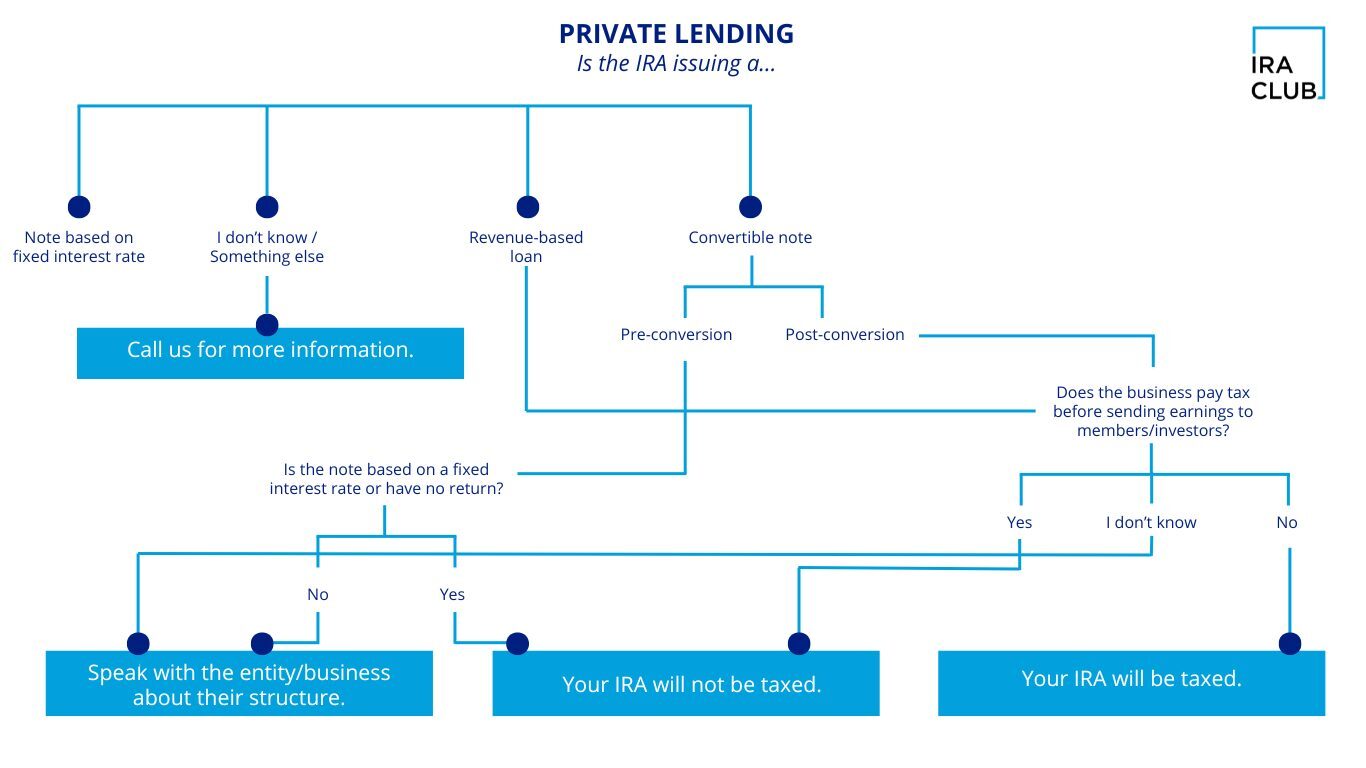
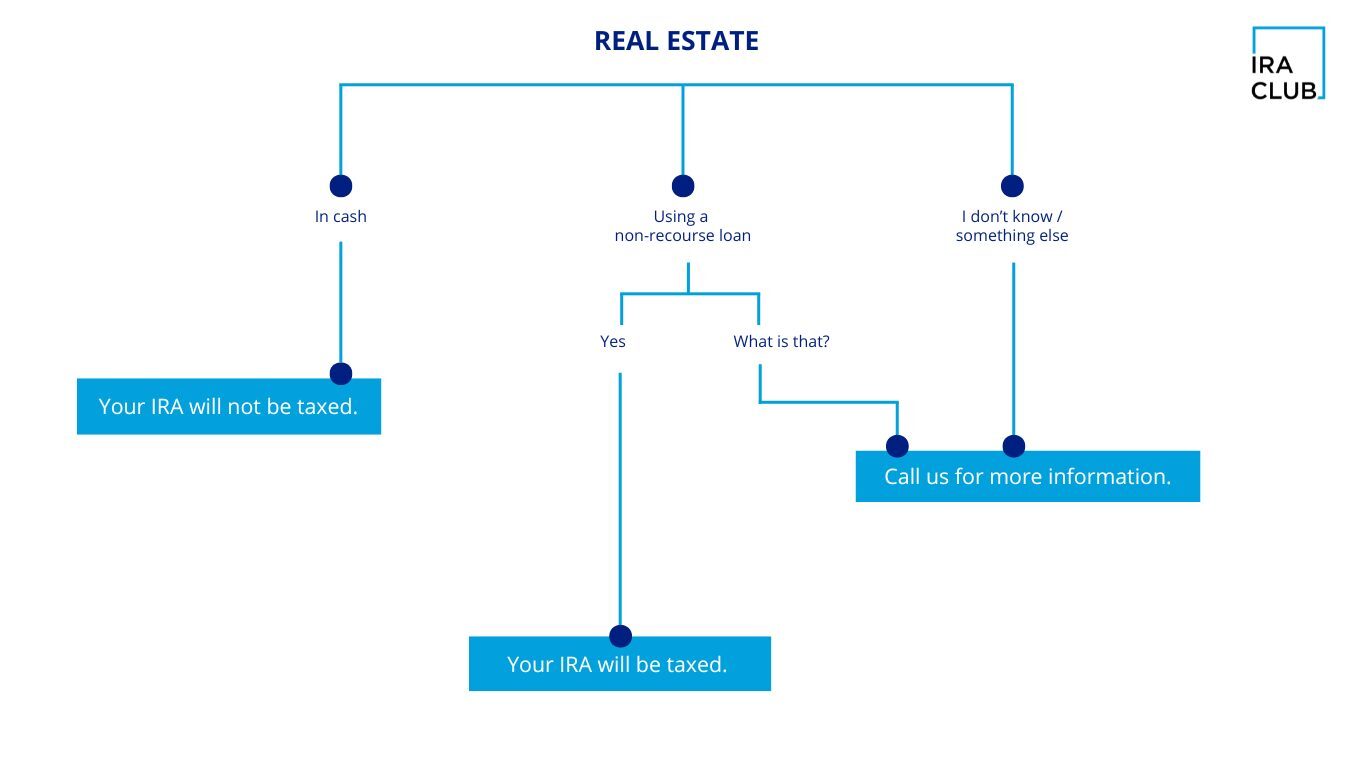
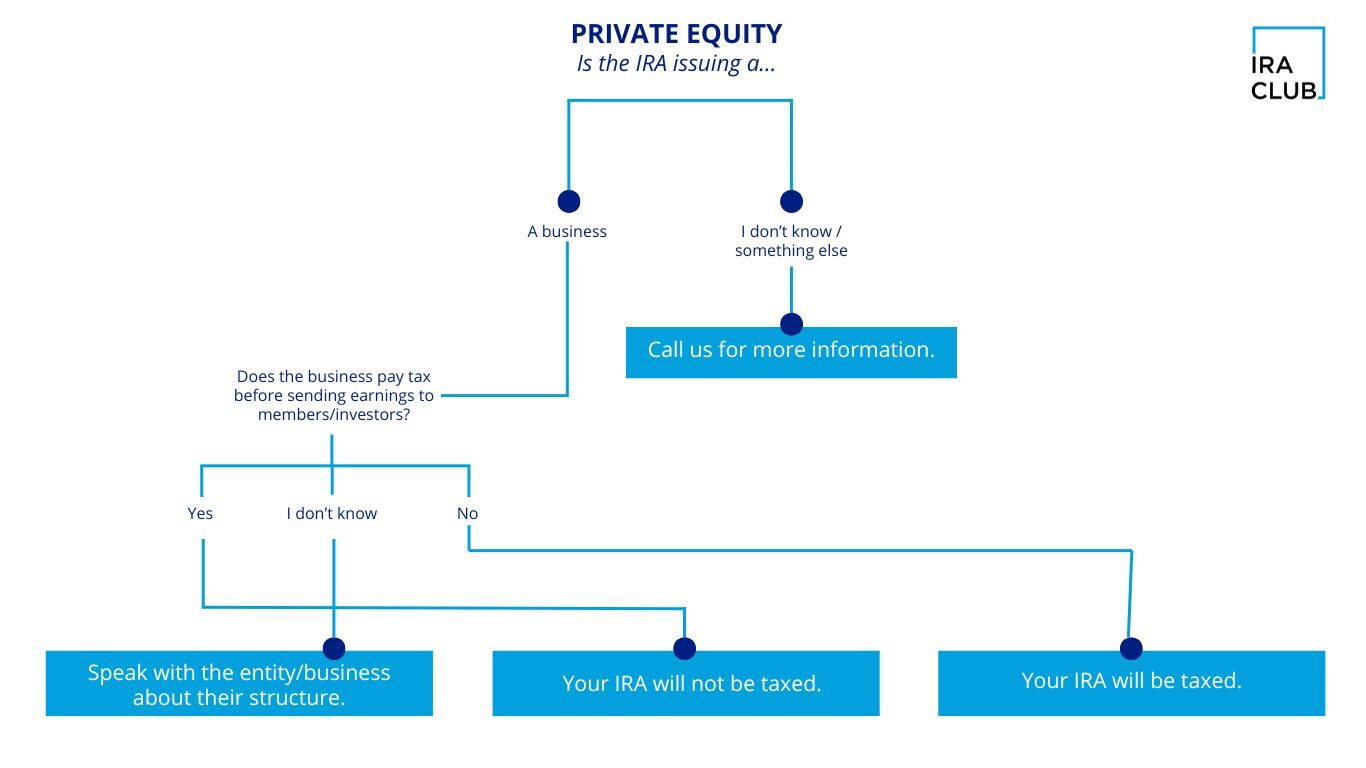
If the inherited IRA purchases leveraged real estate or another debt-financed investment, unrelated business taxable income (UBTI) may apply. That can create additional tax filings even though the investment sits inside a retirement account.
For example, financing part of a rental property purchase inside the IRA may create taxable reporting obligations that would not exist in a cash purchase. It does not make the investment impermissible by itself, but it does add tax reporting considerations that may need review before the transaction is completed.
Coordination Between Custodian, Administrator, and Tax Advisor
Inherited accounts may require additional administrative review compared with a standard self-directed IRA because several moving parts may need to be addressed consistently:
- beneficiary titling
- annual required withdrawals
- decedent naming requirements
- ongoing asset valuations
Registration or reporting errors may create account administration or tax reporting issues. A tax advisor may address tax treatment, including UBTI and any related filing obligations.
Frequently Asked Questions
Can an inherited IRA be held as self-directed?
In many cases, an inherited IRA may be transferred to a qualified IRA custodian that permits self-directed holdings, provided the inherited beneficiary registration remains intact. The transfer is commonly handled as a trustee-to-trustee transfer rather than a personal rollover, especially for non-spouse beneficiaries. Once the account is established and titled as an inherited IRA, the beneficiary may direct the account toward alternative asset types, subject to IRS rules and custodian requirements.
What is the 10-year rule for inherited IRAs?
For most non-spouse beneficiaries, the IRS generally requires the inherited IRA to be fully distributed by December 31 of the tenth year after the original owner’s death. If the original IRA owner dies in 2026, it generally must be fully distributed by Dec. 31, 2036. In some cases, annual required distributions may also apply before that final year.
Do spouse beneficiaries follow the same rules as non-spouse beneficiaries?
Spouse beneficiary rules differ from many non-spouse beneficiary rules. A spouse’s inherited IRA may provide additional account options, including the option to treat the account as the surviving spouse’s own IRA or keep it in inherited form. Most non-spouse beneficiaries are generally subject to the 10-year distribution period.
Can inherited IRA assets be directed toward real estate?
Yes. Through a properly titled inherited IRA held at a qualified IRA custodian that permits self-directed holdings, beneficiaries may direct inherited IRA assets toward real estate assets and other permitted alternative asset types, subject to IRS rules and custodian requirements. The inherited account remains subject to all IRS withdrawal and prohibited transaction rules.
What happens if you miss a required distribution from an inherited IRA?
Missing a required distribution may result in IRS excise penalties and create tax reporting and account administration issues.
Correcting a missed distribution may require review of the account’s required distribution schedule, applicable IRS rules, and tax reporting treatment. A qualified IRA custodian holds and titles IRA assets, maintains account records, and issues applicable IRS forms where relevant. A tax advisor may address tax treatment.
Self-Directed Inherited IRA Setup Requirements
A self-directed inherited IRA remains subject to beneficiary classification, inherited IRA distribution rules, proper titling, and custodian requirements such as a certified copy of the death certificate. Understanding these mechanics may help clarify account administration considerations before inherited retirement assets are transferred.