Raise Capital with Self-Directed IRA Investors
As an investment sponsor, let us take the hassle out of raising capital for you. We offer each sponsor their own personal IRA Club Specialist to handle your clients’ accounts, making the process simple and transparent for both you and your investors. Plus, we’re not a call center, so you’ll always speak to a knowledgeable representative who can direct your call with ease.

Raise Capital with IRA Club
When you refer clients to IRA Club, you open the door to potential listing on our Individual investment platform.
- Your investors will qualify for special flat-fee pricing, allowing you to raise capital from thousands of IRA Club investors.
- With nearly two decades of experience in the industry, our team provides the highest quality of client service and support, so you and your clients can rest easy knowing you have a dedicated personal IRA Club specialist at your side.
- All sponsors can track the status of their client’s application and follow the process with their own account login.
So why wait? Let IRA Club help you raise more capital faster and take your investments to the next level with our friendly and professional services.
Benefits of working with IRA Club
Partnering with IRA Club gives you access to a wealth of resources and support, so you can confidently take your investments to the next level.
- You’ll have a personal IRA Club specialist to assist you every step of the way.
- We’re not a call center, so you won’t have to wait to speak with a representative.
- Our A+ Better Business Bureau rating reflects our commitment to quality and customer satisfaction.
- With nearly two decades of industry experience and knowledge, we have the expertise to help you succeed.
- Our customized forms streamline the process for you, your team, and your clients.
- You can access a Secured Sponsor Portal to track the status of your client’s account.
- We offer educational tools to assist you and your clients in making informed investment decisions.
- You can host a Live Event and Webinar to share your expertise with potential investors.
- We provide branded landing pages and marketing materials to help you promote your opportunity.
How can IRA Club benefit your clients?
- Dedicated personal account manager for hassle-free account management
- Smooth and seamless online experience
- Fast and efficient service without any compromise on quality
- FDIC insurance for peace of mind
- Exclusive access to IRA Club live events and webinars
- Full administration services to handle all investment transactions
- Low flat pricing with no hidden fees or percentages
- Extensive Resource Center with educational blogs, videos, case studies, and eBooks to help clients make informed investment decisions.
Investment Ideas

Investment Provider Application
Remember
An IRA Club Self Directed IRA may make almost any investment for your future. IRA Club provides our members with a no-cost review to help you avoid making one of the few prohibited transactions. Contact IRA Club today or check out our unique investing process. Be advised that IRA Club does not evaluate, review, monitor, recommend, warrant, guarantee or otherwise endorse the legality, tax treatment, propriety, performance or reliability of any investment, service, statement, opinion or other representation provided with respect to the investment opportunities listed on its site or their sponsors or providers. IRA Club has no financial arrangement, partnership, joint venture, or other affiliation with the sponsors or providers of these investments. IRA Club shall not be liable for any misinformation, misrepresentation, negligence, act, omission, investment results or any wrongdoing with respect to any of these investments or their sponsors or providers.
IRA Club may terminate the membership to the program if your Account is inactive in any continuous twelve-month period as defined in the program requirements. IRA Club may terminate the membership immediately if; a) the applicant fails to pass the ongoing checks performed by IRA Club) the applicant becomes insolvent, becomes the subject of a bankruptcy or receivership proceeding, makes an assignment for the benefit of creditors, has a substantial portion of its assets seized or attached, or is no longer authorized to conduct business; c) the applicant is (or will be) merged into or is (or will be) acquired by another entity that IRA Club determines, in good faith, is not financially sound or lacks the experience, ability or capacity to perform the obligations required by this program. IRA Club reserves the right to make changes to its B2B program at any time. IRA Club also reserves the right to make changes to the products and services offered at any time. (ie. Type of accounts offered, fees, marketing, etc.). Upon any termination of this agreement, the applicant will immediately return to IRA Club, or at IRA Club’s request destroy, all copies of IRA Club confidential information in its possession or control or will certify to IRA Club in writing that it has destroyed all such confidential information.
Raise Capital Via a Self-Directed IRA FAQ
Retirement planning often focuses on publicly traded assets like stocks, bonds, and mutual funds. While these are key, federal rules allow for a wider range of investments with a Self-Directed IRA (SDIRA). An SDIRA can hold alternative assets such as real estate, private equity, promissory notes, and IRS-approved precious metals, as outlined in Internal Revenue Code §408 and §4975, with support from a qualified IRA custodian or administrator.
This guide explains how capital may be directed to private offerings through SDIRAs while following IRS regulations. Since alternative assets aren’t publicly traded, SDIRAs need specific documentation, proper asset titling, independent valuation, and compliance with prohibited transaction rules. A qualified IRA custodian or administrator holds the legal title to the SDIRA’s assets, keeps records, and provides the necessary IRS forms.
Understanding how SDIRAs work with private-market offerings helps investors and sponsors understand the IRS framework applicable to these structures. This includes knowing custodial duties, administrative roles, and the standards for alternative assets in an IRS-regulated retirement account.
This guide gives a clear overview of these factors to help readers understand how SDIRAs participate in private offerings under IRS rules while staying compliant with federal rules.
A Self-Directed IRA (SDIRA) is an individual retirement account—typically a Traditional or Roth IRA—with expanded asset options supported by a qualified IRA custodian. It follows the same federal tax rules as other IRAs but allows certain alternative assets when held by a custodian that supports them. While standard IRAs usually hold publicly traded securities, an SDIRA can include real estate, private equity, promissory notes, or certain precious metals that meet IRS fineness standards under §408(m). Any investment in an SDIRA must follow Internal Revenue Code §408 and §4975. This includes rules on prohibited transactions, disqualified persons, valuation, and custodial oversight.
In an SDIRA, the account holds legal title to assets, not the individual. A qualified IRA custodian or administrator keeps records, issues required IRS forms (like Forms 5498 and 1099-R), and handles appropriate titling of assets in the IRA’s name.
The SDIRA structure allows investors to include certain alternative assets in an IRS-regulated retirement account. This is subject to custodial requirements, documentation standards, and compliance with federal rules.
Takeaway:
A Self-Directed IRA operates under the same IRS framework as other IRAs but allows specific alternative assets with support from a qualified custodian. Understanding custodial duties, administrative roles, and IRS compliance helps individuals understand how an SDIRA may fit within a retirement strategy.
A Self-Directed IRA (SDIRA) follows the same federal tax rules as a standard Traditional and Roth IRA. This includes contribution limits, income phase-outs, and distribution requirements. The key difference is in the types of assets the account can hold. Standard IRAs usually offer publicly traded investments like stocks, bonds, and mutual funds. An SDIRA, however, can include alternative assets such as real estate, private equity, promissory notes, or certain precious metals. This is allowed if supported by a qualified IRA custodian and permitted under Internal Revenue Code §408 and §4975.
Another difference lies in how investments are managed. In a standard IRA, the brokerage or financial institution typically offers a preset menu of publicly traded investment options. With an SDIRA, the account holder makes the investment choices. However, the IRA must hold legal title to the assets. A qualified IRA custodian or administrator keeps records, handles required IRS reporting (like Forms 5498 and 1099-R), and manages asset titling.
Takeaway:
A Self-Directed IRA operates under the same IRS rules as a standard IRA. It differs in asset types and investor decision-making. Knowing the custodial requirements, administrative roles, and IRS regulations helps individuals understand how an SDIRA operates within IRS rules and how it may be applied within an IRS-regulated retirement structure.
A Self-Directed IRA (SDIRA) can invest in certain private-market assets that are commonly used in capital-raising structures. This is allowed under Internal Revenue Code §408 and §4975, with the support of a qualified IRA custodian or administrator. Unlike standard IRAs that hold publicly traded stocks, an SDIRA may invest in private companies, private debt, real estate projects, and other non-public offerings that meet IRS rules. Sponsors often seek capital through private placements, pooled real estate entities, and similar structures that may include non-publicly traded assets, depending on the offering’s design.
Since these assets aren’t traded on public exchanges, they need extra documentation, proper titling in the IRA’s name, independent valuation, and compliance with prohibited transaction rules. A qualified IRA custodian or administrator must hold legal title to the SDIRA’s investment, keep records, and issue IRS forms like Forms 5498 and 1099-R.
Takeaway:
An SDIRA can hold certain private-market assets—including private equity, real estate, or private debt—when those assets are part of a capital-raising structure and permitted by IRS rules. Knowing custodial needs, documentation, and regulatory standards helps investors and sponsors assess if a capital-raising opportunity can fit within an IRS-regulated retirement account.
A Self-Directed IRA (SDIRA) must follow the rules in Internal Revenue Code §408 and §4975. These rules limit interactions with “disqualified persons.” Disqualified persons include the account holder, their spouse, lineal ascendants and descendants, and entities they control, manage, or are highly compensated by. Prohibited transactions often involve selling or leasing property to the IRA, providing goods or services to it, or using IRA-owned assets for personal use.
If a prohibited transaction occurs, the IRA may lose its tax benefits. The account could be seen as distributed from the first day of the taxable year when the transaction happened. A qualified IRA custodian or administrator holds assets in the IRA’s name and performs required IRS reporting obligations and prohibited transaction analysis.
Takeaway:
Prohibited transactions involve specific types of interactions between an SDIRA and a disqualified person, as defined under IRS rules. Understanding these rules and maintaining proper oversight is crucial for IRS compliance.
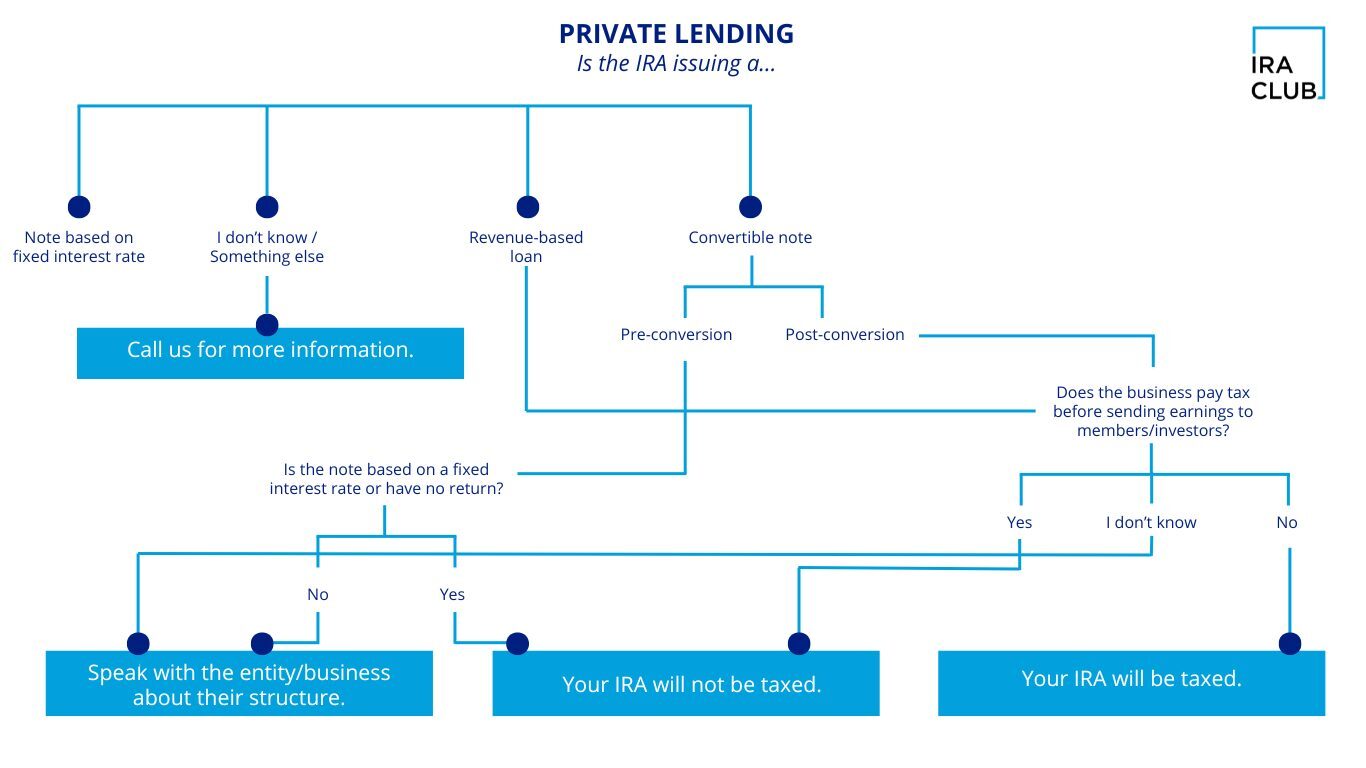
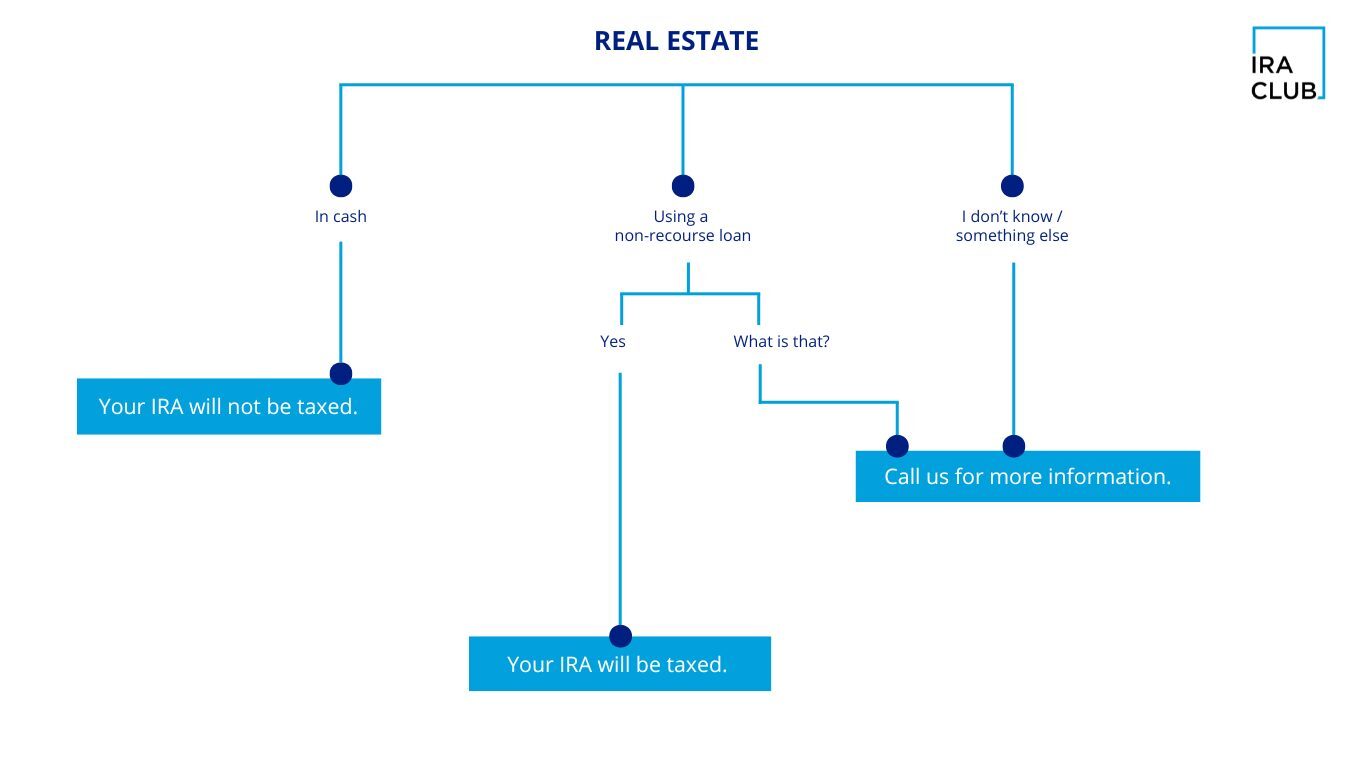
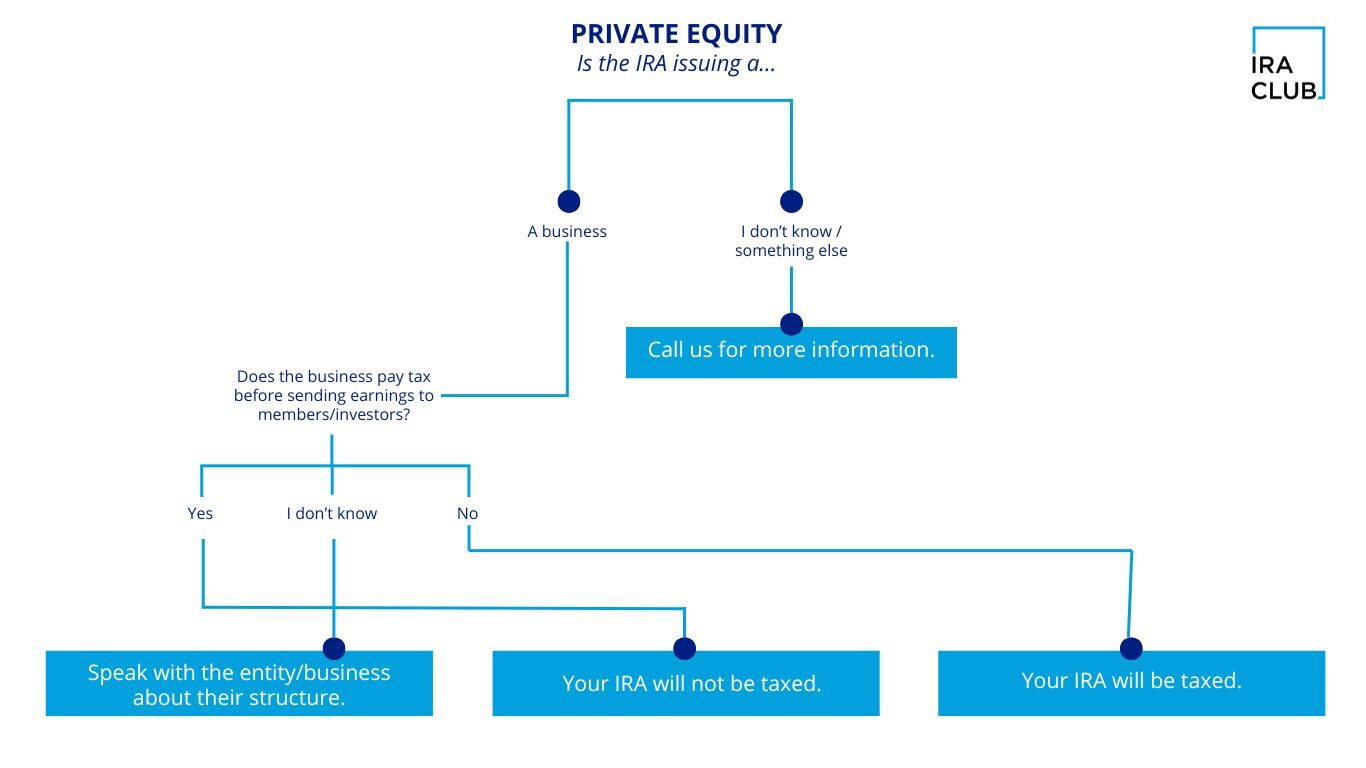
Unrelated Business Taxable Income (UBTI) is income from a Self-Directed IRA (SDIRA) that the IRS classifies as unrelated to the IRA’s tax-advantaged purpose. Most passive income types—such as interest, dividends, or rental income—are generally not subject to UBTI under IRS rules. However, some activities can lead to taxable income. Examples may include income from an operating business or from certain debt-financed structures.
If an SDIRA generates UBTI over the IRS filing threshold (usually $1,000), the IRA may be required to file Form 990-T, depending on IRS rules. The IRA—not the account holder—pays any taxes from IRA funds. A qualified IRA custodian or administrator holds the assets and may process required filings when instructed, consistent with their policies.
Takeaway:
UBTI can occur when an SDIRA has investments in operating businesses or specific leveraged structures. Understanding IRS rules helps investors identify situations where an IRA may be subject to additional tax and reporting requirements.