Crypto in your IRA.
Discover ETZ, a next level cryptocurrency investing platform powered by Coinbase, within the tax-advantaged environment of your IRA.



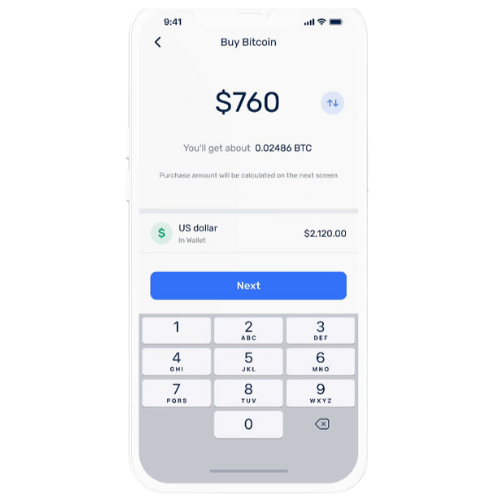
Weather Any Storm: Diversify your retirement strategy for true market resilience.
Unlock Tax-Smart Growth: Keep more of your returns without compromising your growth ambitions.
Institutional Power, Simplified for You: Experience seamless compliance with robust, enterprise-level solutions.
Secure Your Liquid Assets: Your cash is FDIC insured through the trusted Coinbase platform.
IRA CLUB FEES
$195*
Annually
$35
Per Wire Transfer to ETZ Account
ETZ + Coinbase FEES
0.9% (ETZ)
Transaction Fee
0.4% (Coinbase)
Annual Custody Fee
Other fees may apply.

Member Reviews
“Working with the IRA Club has been a great experience. They are professional, competent, and responsive. I have appreciated the communication and help with their platform. I highly recommend them."
Largo, Florida
"I have received excellent service and attention from the staff at IRA Club. From the moment that I was introduced to them as an organization and all the way through the process of getting my accounts funded, they have been extremely responsive and an organization that I have recommended to several friends and family."
Chicago, Illinois
"IRA CLUB is everything I was hoping for and more. They helped make the property sale, 401k transfer, and the entire transaction flawless! You'll likely talk to various IRA CLUB reps, but each one had a role and they executed flawlessly. Thank you for making my first IRA CLUB experience perfect."
Miami, Florida

Crypto IRA FAQ
- Annual limit: $7,000 for 2025 and $7,500 for 2026
- Catch-up contributions: $1,000 in 2025 and $1,100 in 2026 for individuals age 50 or older
Rollovers and transfers follow separate IRS rules and don’t count towards annual limits. Digital assets may have price behavior that differs from traditional securities such as stocks, bonds, or cash. Their value hinges on factors like network demand, global market trends, and regulatory changes. Because cryptocurrencies can fluctuate widely in price, individuals should be aware of the level of volatility involved when evaluating whether a Crypto IRA aligns with their goals. Like all SDIRAs, IRS rules state that a qualified IRA custodian or administrator must hold the account’s assets and handle reporting. Custodians decide which digital assets they support and how to store them in accordance with the IRS on behalf of the IRA owner. This guide details how Crypto IRAs work, the IRS rules involved, and the operational responsibilities. Understanding these factors provides context for how digital assets function within a self-directed IRA and how IRS rules apply.
A Crypto IRA is a type of Self-Directed IRA (SDIRA). It lets you hold certain digital assets in a tax-advantaged retirement account, based on the custodian’s asset list. Unlike IRAs at public custodians, which focus on publicly traded securities, an SDIRA allows access to alternative assets like cryptocurrency. This structure works when a qualified IRA custodian supports digital assets within their permitted asset list.
Crypto IRAs follow the same IRS contribution limits as all IRAs:
- Annual contribution limit: $7,000 for 2025 and $7,500 for 2026
- Catch-up contributions: $1,000 in 2025 and $1,100 in 2026 for individuals age 50 or older
Rollovers and transfers have their own IRS rules and don’t count toward annual limits.
In a Crypto IRA, a qualified IRA custodian or administrator holds the digital assets, keeps records, and manages IRS reporting, including Forms 5498 and 1099-R.
Investors often use Crypto IRAs to add a new asset type to their retirement strategy. Digital assets can behave differently from traditional securities, depending on market conditions. Their prices react to network activity, global demand, regulatory changes, and market sentiment. Because cryptocurrency values can fluctuate, individuals typically review risk factors carefully and ensure the account meets IRS requirements.
Takeaway:
A Crypto IRA lets you hold select digital assets in a Self-Directed IRA with a qualified custodian. It adheres to the same IRS contribution limits, custodial rules, and reporting requirements as all IRAs, making it a way to include cryptocurrency in a tax-advantaged retirement plan.
A Crypto IRA is a Self-Directed IRA (SDIRA) that allows specific digital assets. This depends on the custodian’s permitted asset list. Some individuals explore this option when they want exposure to digital assets that operate differently from publicly traded securities. Digital assets can change in value based on network activity, regulations, global demand, and investor sentiment. This structure can introduce exposure to a digital asset class with its own market characteristics.
Crypto IRAs have the same IRS contribution limits as all IRAs:
- Annual contribution limit: $7,000 for 2025 and $7,500 for 2026
- Catch-up contributions: $1,000 in 2025 and $1,100 in 2026 for those age 50 or older. Rollovers and transfers have different IRS rules and don’t count toward these limits.
Like any SDIRA with non-traditional assets, a qualified IRA custodian or administrator must hold the digital assets, keep records, and issue IRS forms like Forms 5498 and 1099-R.
Knowing how digital assets fit into market cycles, risk factors, and IRS rules can help people decide if including cryptocurrency in a tax-advantaged account supports their long-term retirement plans.
Takeaway:
A Crypto IRA allows individuals to include certain digital assets to a Self-Directed IRA. It offers unique market exposure and follows the same IRS contribution limits, custodial rules, and reporting requirements as any IRA.
A Crypto IRA is a Self-Directed IRA (SDIRA) that holds specific digital assets. The assets allowed depend on the custodian’s allowable investments. While each custodian decides which cryptocurrencies to support, many focus on established assets commonly supported by custodians. Many custodians support assets such as Bitcoin (BTC) or Ethereum (ETH). Availability varies, so individuals should review the custodian’s supported asset list before opening an account.
Before opening an account, review the custodian’s allowable investments to ensure they accept cryptocurrencies. Also, check their procedures for trading, storage, and valuation. Crypto IRAs follow IRS contribution limits for all IRAs:
- Annual contribution limit: $7,000 for 2025 and $7,500 for 2026
- Catch-up contributions: $1,000 in 2025 and $1,100 in 2026 for those aged 50 or older.
Rollovers and transfers have separate IRS rules and don’t count toward contribution limits.
A qualified IRA custodian or administrator must hold the digital assets, keep records, and provide necessary IRS forms, like Forms 5498 and 1099-R.
Takeaway:
A Crypto IRA can include certain digital assets approved by the custodian. Reviewing the custodian’s allowable investments and understanding custody and reporting requirements helps the account remain aligned with IRS rules and helps individuals evaluate whether digital assets fit within their broader retirement strategy.
A Crypto IRA is a type of Self-Directed IRA (SDIRA) that may hold certain digital assets when supported by a qualified IRA custodian. The IRS treats digital assets as property for federal tax purposes, which allows them to be held in an IRA as long as standard IRA rules are followed. This means the account must use a qualified custodian, maintain proper reporting, and avoid prohibited transactions under Internal Revenue Code §4975.
Crypto IRAs follow the same IRS contribution limits as all IRAs:
- Annual contribution limit: $7,000 for 2025 and $7,500 for 2026
- Catch-up contributions: $1,000 in 2025 and $1,100 in 2026 for individuals age 50 or older. Rollovers and transfers have separate IRS rules and do not count toward annual contribution limits.
A qualified IRA custodian is responsible for holding the digital assets, maintaining records, and issuing IRS forms such as Forms 5498 and 1099-R. An IRA administrator, such as IRA Club, assists with account setup and documentation and typically works with a platform that has access to coins via an exchange, such as Coinbase, for IRA owners to use their IRA funds to purchase coins. Compliance requires the use of a qualified custodian and adherence to IRS rules for asset custody, reporting, and prohibited transactions.
Takeaway:
Crypto IRAs are permitted under existing IRS rules when the account is held by a qualified custodian and operated within standard SDIRA regulations for custody, reporting, and prohibited transactions.
A Self-Directed IRA (SDIRA) is a retirement account that shares the same IRS contribution limits and tax rules as Traditional or Roth IRAs. However, it can allow for additional asset types permitted under IRS rules and the custodian’s policies. While standard IRAs mainly hold publicly traded securities, an SDIRA can include alternative assets like real estate, private equity, promissory notes, and certain digital assets, if allowed by the custodian. This structure is required for cryptocurrency because most traditional brokerage IRAs do not support digital asset custody or trading.
Cryptocurrency in an IRA must remain under the custody of a qualified IRA custodian, as required by IRS rules.IRS rules also require proper custody, reporting, and compliance with prohibited transaction rules under Internal Revenue Code §4975. The custodian determines which digital assets they support and establishes the procedures for purchasing the investment and approved storage arrangements. An IRA administrator, like IRA Club, helps with account setup and documentation and integrates with a platform that has access to coins via an exchange such a Coinbase.
For 2025 and 2026, SDIRAs follow the standard IRA contribution limits: $7,000 for 2025 and $7,500 for 2026 per year, with catch-up contributions of $1,000 in 2025 and $1,100 in 2026 for individuals aged 50 or older. Rollovers and transfers have separate IRS rules and do not count toward annual contribution limits.
Takeaway:
A Self-Directed IRA is the structure used when holding cryptocurrency in a tax-advantaged retirement account. It allows alternative assets and requires a qualified custodian to meet IRS rules for custody, reporting, and prohibited transactions. This setup offers a compliant way to include digital assets in a tax-advantaged retirement strategy.