
Introduction
Most investors are familiar with the traditional retirement playbook: contribute to a 401(k), choose a target-date fund, and stay invested for the long term. For many investors, that approach may work well enough, but there may be more available options for their retirement funds than many investors realize.
Alternative retirement savings strategies provide a framework for evaluating tax-advantaged account vehicles and alternative assets without replacing traditional retirement savings strategies. These strategies may include layering accounts such as Roth IRAs, HSAs, and self-directed IRAs while reviewing assets beyond publicly traded stocks and bonds.
The purpose is not to abandon conventional retirement planning. It is to understand how multiple IRS-regulated account structures may work together, how alternative retirement investments may be accessed through certain account structures, and what compliance considerations apply before account holders direct retirement funds into alternative assets.
Why Diversifying Your Retirement Savings Strategy Makes Sense
When many investors hear the word “diversification,” they think about spreading money across different stocks, bonds, or mutual funds. Diversification can also apply to the accounts an investor uses and the types of investments held inside those accounts.
Relying on a single retirement account may limit planning options over time. Different account types offer different tax treatments, contribution rules, and investment opportunities. By understanding those differences, investors can evaluate retirement savings strategies based on account structure, tax treatment, asset access, and compliance requirements.
Another consideration is investment access. Many employer-sponsored retirement plans offer a limited menu of investment options. While these options may be appropriate for many investors, some individuals may evaluate assets that are not typically available through traditional brokerage platforms.
Depending on time horizon, liquidity needs, and risk tolerance, alternative investments may provide additional diversification opportunities. Historically, investors have used assets such as real estate, precious metals, and private investments alongside traditional holdings to build broader portfolios.
Diversification may be evaluated across investments, account structure, and tax treatment.
Account Vehicles: Alternative Ways to Save for Retirement
Before exploring alternative assets, it helps to understand the account vehicles available to retirement savers. These alternative ways to save for retirement can complement traditional employer plans and provide different tax treatments, contribution rules, and investment access.
Traditional IRA
A Traditional IRA allows eligible individuals to make contributions that may be deductible, depending on filing status, income, and workplace plan coverage. Earnings generally grow tax-deferred. According to IRS Pub. 590-A and Internal Revenue Code §408, the 2026 contribution limit is $7,500, with a $1,100 catch-up contribution for eligible individuals age 50 and older, for a total of $8,600.
Taxes are generally deferred until withdrawals are made or otherwise treated as distributions. Traditional IRAs may be evaluated as part of a broader retirement savings strategy based on tax treatment, contribution eligibility, and distribution rules.
Roth IRA
A Roth IRA uses after-tax contributions, but qualified withdrawals are generally tax-free under Internal Revenue Code §408A. Unlike Traditional IRAs, Roth IRAs do not have required minimum distributions during the account owner’s lifetime.
A Roth IRA may provide a different tax treatment than a Traditional IRA, which can be relevant when evaluating alternative retirement savings plans and account layering.
Health Savings Account (HSA)
Many people view HSAs as healthcare accounts, but they can also be evaluated as long-term retirement planning tools.
HSAs offer three tax-related features: contributions may be tax-deductible, earnings may grow tax-deferred, and qualified medical withdrawals are tax-free. After age 65, non-medical withdrawals are generally taxed as ordinary income much like a Traditional IRA.
Because healthcare costs often increase later in life, many investors evaluate HSAs alongside other retirement accounts.
All of These Accounts Can Be Self-Directed
The beauty is that the Roth IRA, Traditional IRA, Health Savings Account, and many more account types can be self-directed.
As IRA Club explains, “There is no legal difference between a self-directed IRA and an IRA. They are all federally regulated.” Under Internal Revenue Code §408, self-directed IRAs follow the same fundamental IRS rules as other IRAs.
The primary difference is the range of assets available. A self-directed IRA may serve as the bridge between retirement accounts and alternative investments.
Other Options for Self-Employed Investors
Depending on eligibility and availability, self-employed individuals may also evaluate retirement account structures such as SEP IRAs or Solo 401(k)s. These account types have separate eligibility, contribution, and plan administration rules.
The Self-Directed IRA: Access to Alternative Assets
Many investors discover alternative investments through a self-directed IRA.
As IRA Club explains, “There is no legal difference between a self-directed IRA and an IRA. They are all federally regulated.” A self-directed IRA follows the same IRS framework as any other IRA, including the rules under Internal Revenue Code §408. The difference is that the account may allow access to a broader range of IRS-permitted assets, depending on custodian procedures and account documentation.
With a self-directed IRA, you choose where your money goes.
This structure may be evaluated by investors who want exposure to assets such as real estate, private placements, precious metals, or promissory notes within a tax-advantaged account.
Self-directed IRAs may be established as Traditional or Roth IRAs, depending on account type and eligibility. A Traditional SDIRA generally uses tax-deferred IRA treatment, while a Roth SDIRA generally uses after-tax contributions and may allow tax-free qualified withdrawals.
IRA Club self-directed IRA accounts have a $500 minimum opening amount.
Related resources:
- Get Started with a SDIRA
- Get inspired for your next investment on Investor’s Row
Alternative Asset Categories You Can Hold in a Retirement Account
One difference of self-directed investing is access to a broader range of assets. Alternative investments for retirement may be held inside certain retirement accounts when permitted under IRS rules, custodian procedures, and account documentation.
Real Estate
Real estate is a common alternative investment category for retirement.
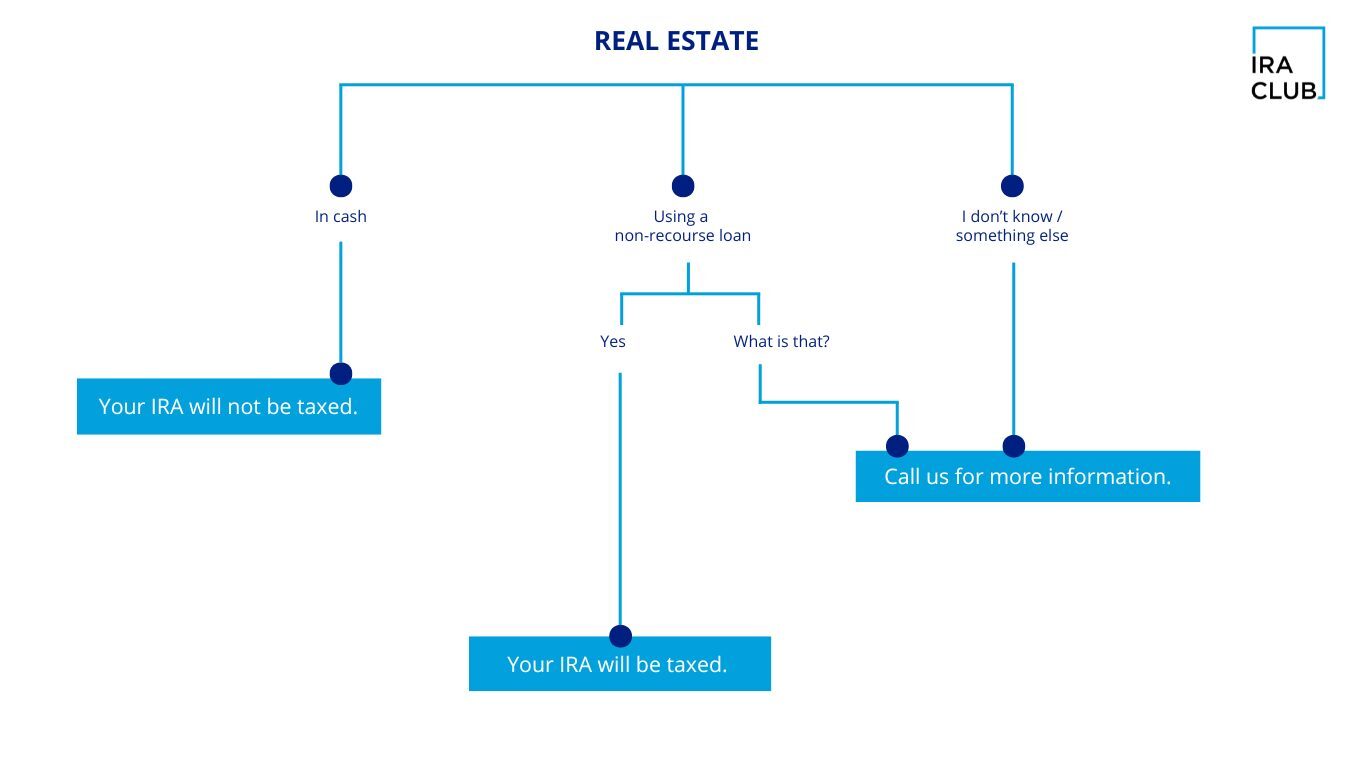
A self-directed IRA may hold rental properties, raw land, and other IRA-permitted real estate investments. Income generated by the property generally flows back into the IRA, while any appreciation or sale proceeds generally remain within the tax-advantaged account.
Related education: Real Estate IRA
Precious Metals
Certain IRS-approved precious metals can also be held inside a self-directed IRA.
Eligible investments may include approved gold, silver, platinum, and palladium coins and bars. Internal Revenue Code §408(m) contains rules governing collectibles and precious metal eligibility.
Related education: Precious Metals IRA
Private Placements and Private Equity
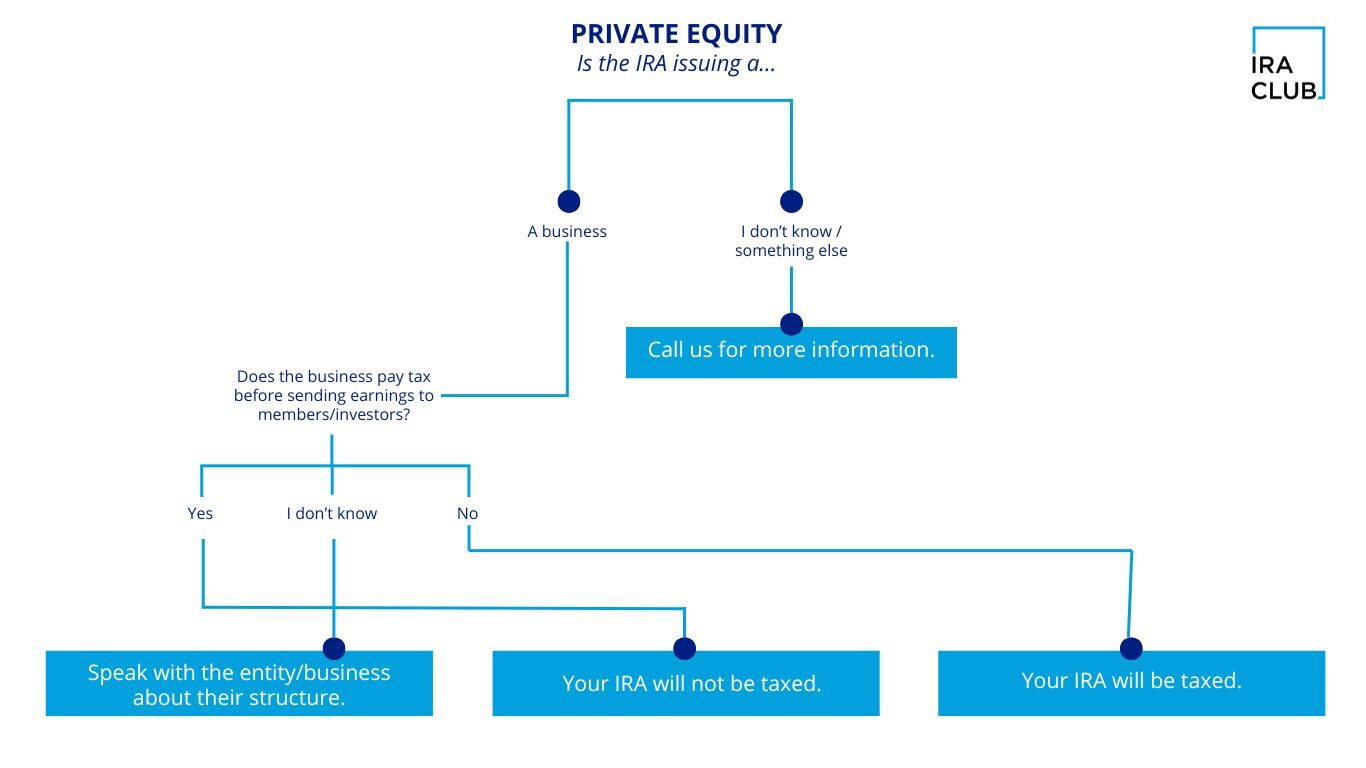
Private placements allow investors to own interests in companies that are not publicly traded on stock exchanges.
These opportunities may provide exposure to businesses and industries that are not typically available through traditional retirement plans. As with all private investments, the account holder is responsible for independent due diligence.
Related education: Private Placements
Promissory Notes
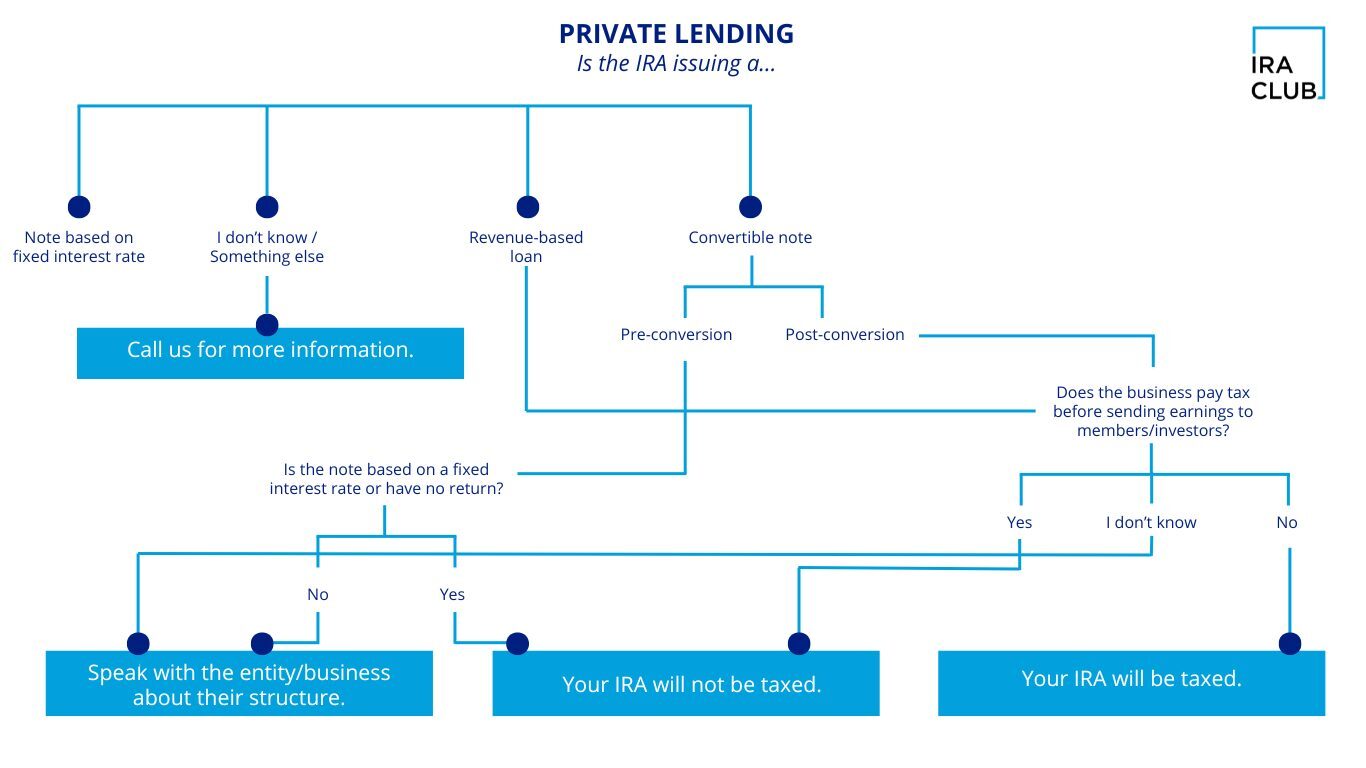
Promissory notes involve structured lending arrangements where the IRA acts as the lender.
Interest payments generated by the note generally flow back into the retirement account, allowing earnings to remain within the IRA structure.
Related education: Promissory Notes
Investments That Are Not Allowed
Not every investment qualifies for IRA ownership.
Internal Revenue Code §408(m) generally prohibits collectibles such as artwork, rugs, antiques, stamps, most coins, alcoholic beverages, and certain gems. Life insurance contracts and S-corporation shares are also generally prohibited within IRAs.
Alternative investments are typically less liquid and require more diligence than publicly traded securities. Asset eligibility depends on applicable IRS rules, custodian procedures, and account documentation.
Maximize Your Retirement Potential with Your Options
Many investors evaluate several account types within a single retirement strategy.
Rather than relying on one account to accomplish everything, each account may serve a different purpose, depending on what the investor qualifies for.
Layer 1: Employer 401(k)
For many investors, an employer-sponsored 401(k) may provide access to payroll deferrals, employer contributions when available, and traditional public-market investment options.
Employer-matched contributions, when offered, are often reviewed as part of the account’s overall contribution strategy.
Layer 2: Roth IRA
A Roth IRA may provide tax diversification through tax-free qualified withdrawals.
This layer may be reviewed for additional flexibility when managing retirement income later in life.
Layer 3: Self-Directed IRA
A self-directed IRA may provide access to alternative assets while maintaining IRA tax treatment. This can be a Traditional IRA, Roth IRA, SEP, Solo 401(k), or even a Health Savings Account (HSA).
Investors may use this layer to gain exposure to real estate, precious metals, private placements, or promissory notes.
Layer 4: HSA
For eligible individuals, an HSA may provide dedicated resources for future healthcare expenses while offering tax-related features for qualified medical expenses.
How To Maximize Your Retirement
A layered retirement savings strategy may be reviewed by account purpose. For example if let’s say an investor qualifies for a SEP IRA, and are eligible for tax-deductions for their business, they could also utilize a Roth IRA (or even a Roth component in a SEP-ROTH) where they could do a Roth conversion of a portion of their SEP IRA contribution to not only get the benefits of a potential tax-deduction with their SEP IRA, but also now their converted money grows in a Roth IRA for eventual tax-free withdrawals when they are eligible.
This approach may support tax diversification, expanded investment access, and liquidity planning across multiple account types.
Rollovers and transfers from existing retirement accounts generally do not count against annual contribution limits under IRS rules.
Risk and Diligence Considerations for Alternative Assets
Alternative assets can be evaluated as part of a retirement strategy, but they come with specific considerations.
Illiquidity
Unlike publicly traded stocks, alternative investments often cannot be bought or sold instantly. Investors may need to find buyers, wait for maturity dates, or navigate longer transaction timelines.
Valuation Complexity
Private investments and real estate do not have a daily market price. Independent appraisals or valuation methods may be necessary to determine the current value.
Due Diligence Responsibility
The responsibility for evaluating an investment rests with the account holder. IRA Club offers a vehicle for investors for their retirement, but does not provide any recommendations or investment, legal, or structuring advice. All investments have risk.
Concentration Risk
A single property or private investment may represent a significant portion of a portfolio. Investors generally evaluate diversification and risk tolerance when building alternative investment allocations.
Alternative investments are typically less liquid and require more diligence than publicly traded securities. These considerations are part of evaluating alternative retirement investments within tax-advantaged accounts.
Prohibited Transactions: What to Avoid (IRC §4975)
Understanding prohibited transaction rules is important for any self-directed IRA investor.
A prohibited transaction occurs when an IRA engages in certain transactions with a disqualified person in a way the IRS considers self-dealing under Internal Revenue Code §4975.
Disqualified persons generally include:
- The account holder
- A spouse
- Parents
- Grandparents
- Children
- Grandchildren
- Certain entities owned or controlled 50% or more by disqualified persons
Common prohibited transactions include:
- Personally using an IRA-owned vacation property
- Loaning IRA funds to yourself
- Having your IRA hire your own company
The consequences may be significant. The IRS may treat the entire IRA as distributed as of January 1 of the year the prohibited transaction occurred, potentially triggering taxes and early-withdrawal penalties.
For a deeper discussion, see:
How To Get Started: Three Initial Planning Steps
Getting started with alternative retirement savings strategies does not have to be complicated.
Step 1: Review Your Current Account Mix
Account holders may begin by identifying the retirement accounts already in place, including any 401(k), IRA, Roth IRA, or HSA.
This review may include tax treatment, contribution rules, account access, and available investment categories.
Step 2: Identify the Alternative Asset Category That Fits Your Goals
Different investments may serve different objectives.
Some investors evaluate real estate, while others may be interested in precious metals, private placements, or promissory notes. Common review factors include time horizon, liquidity needs, risk tolerance, documentation requirements, and prohibited transaction considerations.
Step 3: Open and Fund a Self-Directed IRA
Once an account structure and asset category have been reviewed, an account holder may establish a self-directed IRA or roll over funds from an existing retirement account.
Rollovers and transfers generally do not count against annual contribution limits, and IRA Club self-directed IRA accounts have a $500 minimum opening amount.
Building a Retirement Strategy With Multiple Accounts and Asset Considerations
Retirement plans may be built over time by evaluating account types, tax treatment, contribution rules, liquidity needs, and available investment categories. Whether an investor is reviewing alternative retirement savings strategies for the first time or evaluating alternative assets within an existing portfolio, the planning framework is the same: understanding how each account and asset category may function within a broader retirement strategy.
Alternative assets, including real estate, private placements, precious metals, promissory notes, and other IRA-permitted investment categories, may be evaluated alongside traditional retirement accounts as part of a broader retirement savings framework.
Frequently Asked Questions
What alternative retirement savings strategies may be evaluated beyond a 401(k)?
Certain types of real estate and IRS-approved precious metals may be held inside a self-directed IRA, depending on IRS rules, custodian procedures, and account documentation. Real estate investments may include rental properties or raw land, while eligible precious metals generally include approved gold, silver, platinum, and palladium coins and bars. IRS rules under Internal Revenue Code §408(m) prohibit most collectibles. Asset eligibility depends on applicable IRS requirements, custodian procedures, and account documentation.
Can I hold real estate or precious metals inside an IRA?
Certain types of real estate and IRS-approved precious metals may be held inside a self-directed IRA, depending on IRS rules, custodian procedures, and account documentation.
Real estate held in a self-directed IRA may include rental property, raw land, or other IRA-permitted real estate assets. Precious metals may include approved gold, silver, platinum, and palladium coins or bars, subject to IRS requirements.
IRS rules under Internal Revenue Code §408(m) prohibit most collectibles. For that reason, asset review generally includes the type of asset, how it will be titled, how it will be held, and whether the custodian’s procedures allow the transaction.
What is a self-directed IRA and how does it differ from a regular IRA?
A self-directed IRA follows the same IRS rules and receives the same tax treatment as a Traditional IRA or Roth IRA. There is no legal difference between a self-directed IRA and an IRA. They are all federally regulated.
The key difference is the range of investments that may be available through the account arrangement. While many standard IRA providers limit investors to publicly traded securities, a self-directed IRA may provide access to assets such as real estate, private placements, precious metals, and promissory notes, depending on IRS rules, custodian procedures, and account documentation.
What are prohibited transactions in a self-directed IRA, and what happens if I trigger one?
A prohibited transaction occurs when an IRA engages in certain transactions with a disqualified person, such as the account owner, spouse, parents, grandparents, children, grandchildren, or an entity owned or controlled 50% or more by a disqualified person.
Common examples include personally using an IRA-owned property, loaning IRA funds to yourself, or having your IRA hire your own business. Under Internal Revenue Code §4975, the IRS may treat the entire IRA as distributed as of January 1 of the year the prohibited transaction occurred, which may result in taxes and, in some cases, early-withdrawal penalties.
How can a 401(k), Roth IRA, SDIRA, and HSA maximize a retirement portfolio?
One neutral framework is to evaluate each account by purpose. A 401(k) may serve as an employer-sponsored retirement account, especially when employer contributions are available. A Roth IRA may allow tax-free qualified withdrawals, depending on IRS rules and account requirements.
A self-directed IRA may provide access to alternative investments, depending on IRS rules, custodian procedures, and account documentation. An HSA may be used to address future healthcare expenses while providing tax-related features for qualified medical expenses.
Together, these accounts may be reviewed for account purpose, tax treatment, investment access, liquidity needs, and healthcare planning considerations. IRA Club provides administrative support, assists with documentation, and offers education for self-directed IRA accounts.
Educational content only. Not tax, legal, or investment advice. Readers should consult their CPA, tax attorney, or licensed financial professional regarding their specific situation.