
For self-employed individuals evaluating alternative assets, the solo 401(k) vs. self-directed IRA comparison often centers on account structure, contribution rules, tax treatment, and administrative control. Both accounts may allow alternative assets like rental property, private notes, precious metals, and private placements, but they differ in how contribution limits, tax treatment, and account administration apply.
For many self-employed individuals, the comparison depends on how each structure handles contributions, plan rules, asset administration, and ongoing compliance responsibilities. In some cases, a business owner may review both structures with a qualified tax, legal, or financial professional.
Core Structural Differences Between a Solo 401(k) and a Self-Directed IRA
At first glance, these two accounts may seem similar because both can provide access to alternative assets within a retirement account structure. The main difference is structural.
A solo 401(k) is an employer-sponsored retirement plan created for self-employed individuals and owner-only businesses with no eligible common-law employees other than a spouse. Sole proprietors, single-member LLC owners, consultants, freelancers, and S corporation owners may evaluate this structure if applicable eligibility requirements are met. Because it is a qualified plan, it comes with higher contribution limits, participant loan access if the plan permits loans, and different tax treatment for certain leveraged real estate investments.
A self-directed IRA is an individually owned retirement account held by a qualified IRA custodian that may permit nontraditional investments. It can be opened by a broader range of investors, including those with W-2 income, retirees, or individuals who want to hold alternative assets in an IRA. It offers flexibility in investment choice, but not the same contribution limits or loan provisions as a solo 401(k).
In a practical self-directed IRA vs. solo 401(k) comparison, both accounts can hold similar assets, but eligibility, account administration, and tax treatment are not identical.
Quick Comparison Snapshot
| Feature | Solo 401(k) | Self-Directed IRA |
|---|---|---|
| Account Type | Employer-sponsored qualified retirement plan | Individually owned IRA held by a qualified IRA custodian |
| Who Qualifies | Self-employed, no eligible common-law employees other than a spouse | Individuals eligible to contribute to an IRA or roll over eligible retirement funds |
| 2026 Contribution Limit | $72,000, with an additional $8,000 catch-up contribution for age 50+ where applicable | $7,500, with an additional $1,100 catch-up contribution for age 50+ |
| Participant Loan | Yes, if the plan permits loans | No |
| Leveraged Real Estate UDFI | May be exempt under qualified plan rules in certain cases | May apply |
| Administration | Generally, higher plan administration | Generally, lower IRA administration |
| Best Fit For | Owner-only businesses evaluating higher contribution capacity | Individuals using an IRA structure for alternative assets |
This quick self-directed IRA vs. solo 401(k) snapshot shows why the choice is less about investment access alone and more about which account structure aligns with contribution rules, administration, and applicable tax treatment.
Contribution Limits Compared: Solo 401(k) vs Self-Directed IRA
For many self-employed individuals, this is one of the main structural differences between the two account types.
A solo 401(k) allows two layers of retirement contributions: employee elective deferrals and employer contributions. For 2026, employee elective deferrals are generally limited to $24,500, with an additional $8,000 catch-up contribution for age 50+ where applicable. The defined contribution annual additions limit under Internal Revenue Code §415(c)(1)(A) is $72,000 for 2026, excluding catch-up contributions.
A self-directed IRA follows standard IRA contribution limits, which are $7,500 in 2026, or $8,600 total for individuals age 50 or older when the $1,100 catch-up contribution applies. A self-directed IRA does not create a separate higher contribution limit because it is still an IRA.
That contribution difference can affect how quickly retirement account funds are added under each structure. In the broader self-directed IRA vs. solo 401(k) discussion, contribution limits are one factor to compare alongside eligibility, administration, tax treatment, and plan rules.
Alternative Asset Access in a Solo 401(k) vs. Self-Directed IRA
These account structures may permit overlapping alternative asset categories.
Both a solo 401(k) and a self-directed IRA can generally hold, if permitted by the plan document, a qualified IRA custodian where applicable, and applicable rules:
- real estate
- private equity
- trust deeds and private notes
- tax liens
- precious metals
- startup investments
- private placements
That means whether an investor is comparing a self-directed IRA or solo 401(k), the account structure may allow access to assets outside traditional brokerage holdings.
It is also important to remember that both accounts are still subject to the IRS prohibited transaction rules. Self-direction may expand the range of assets an account may hold, but it does not permit personal use, self-dealing, or transactions with disqualified persons under Internal Revenue Code §4975.
Why UBIT and UDFI Matter More Than Most Investors Expect
This is one of the key tax considerations in the solo 401(k) vs. self-directed IRA conversation, especially for real estate investors.
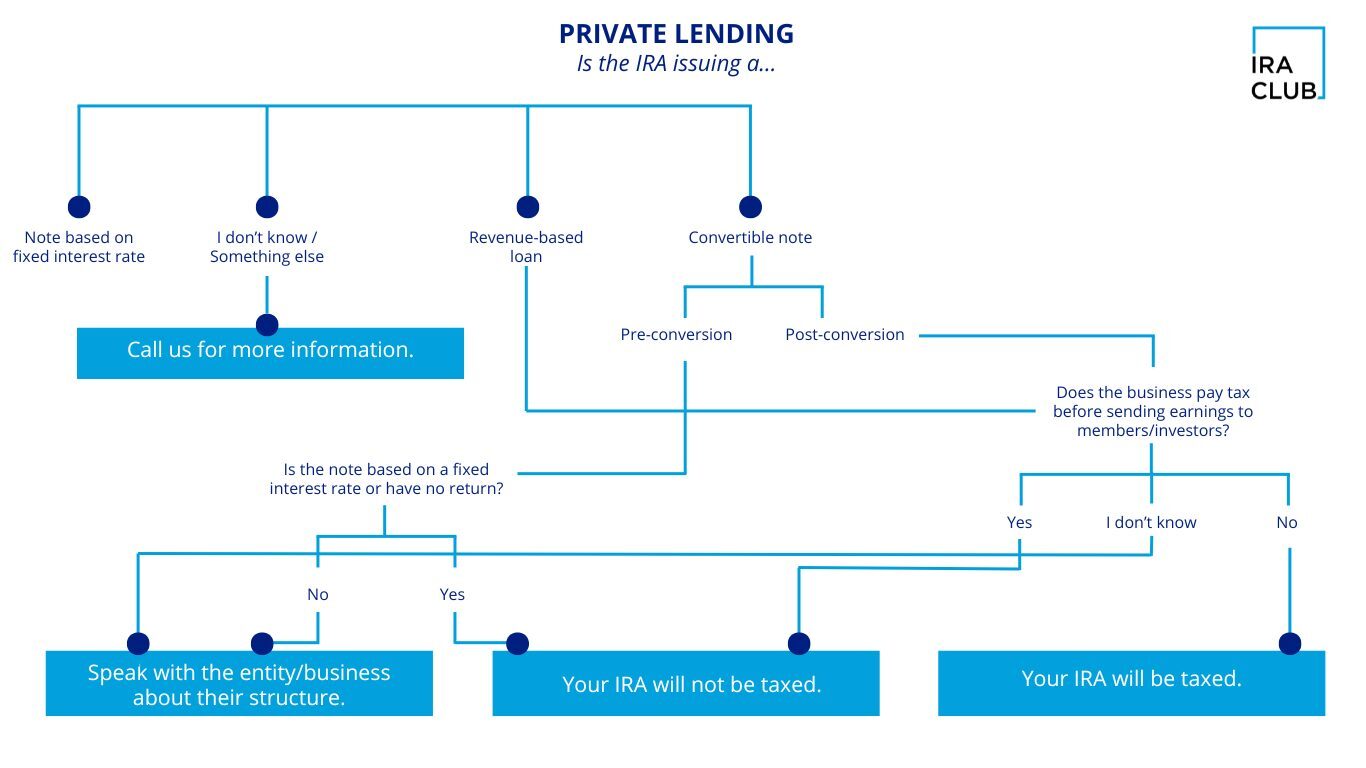
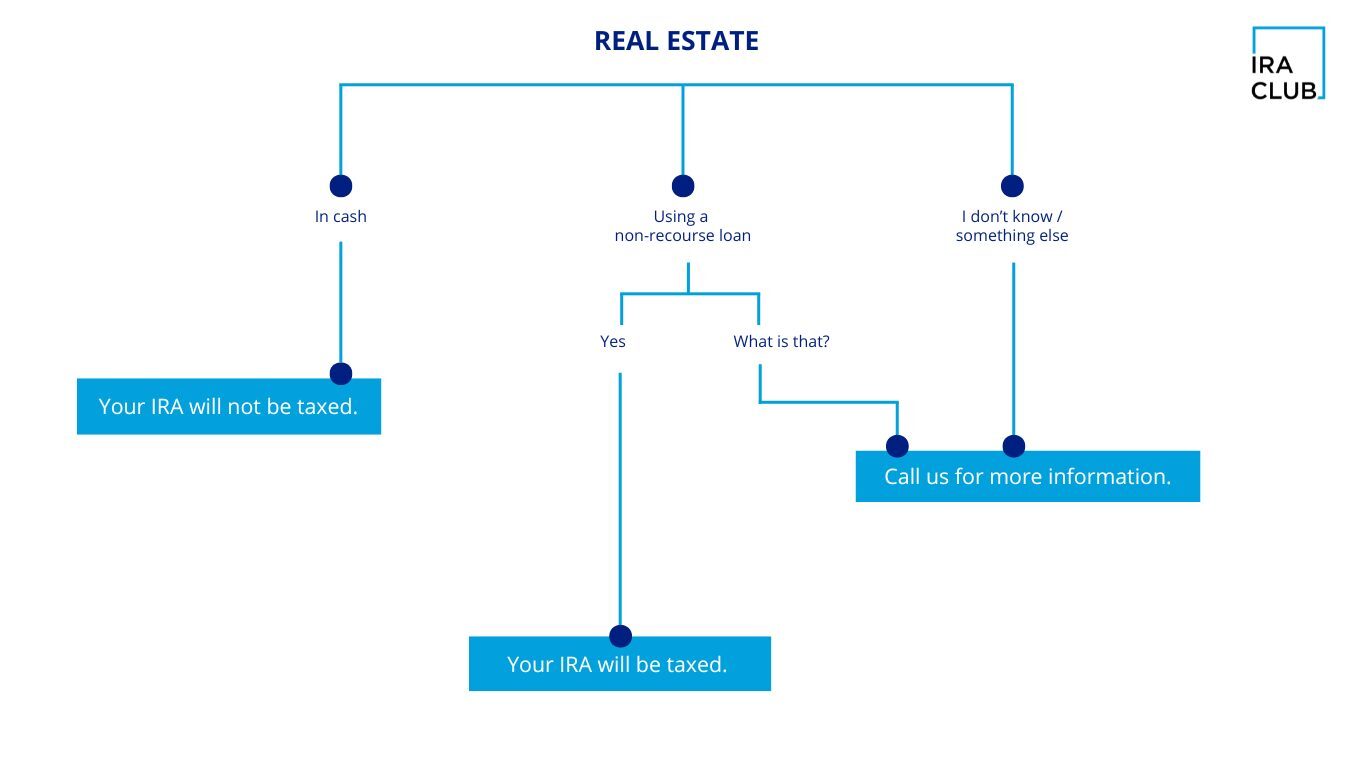
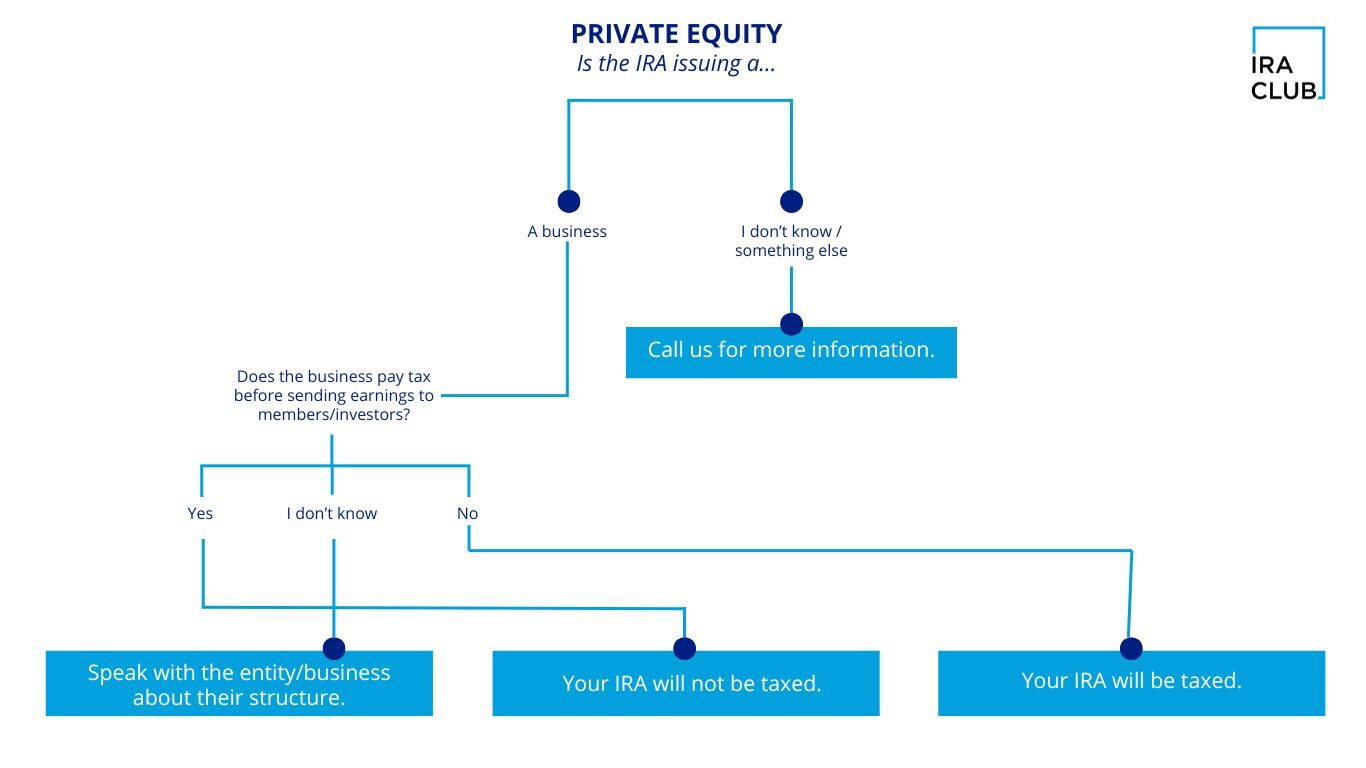
When a self-directed IRA purchases leveraged real estate using financing, the debt-financed portion of the income may generate unrelated debt-financed income, or UDFI, which may be subject to unrelated business income tax, or UBIT. That means part of the income or gain may become taxable even though the investment sits inside a retirement account.
A solo 401(k), by contrast, is typically UDFI exempt from leveraged real estate investments. For investors using mortgages to acquire rentals, multifamily units, or commercial property, that difference can affect the tax treatment of income generated by the property.
So while both accounts may be able to purchase the same property, the tax treatment of debt-financed income may not be the same after the deal starts producing income.
Liquidity and Administrative Control: Solo 401(k) and Self-Directed IRA Differences
Alternative investing can involve time-sensitive transactions. A private note opportunity, a discounted property contract, or a short closing timeline may require clear transaction procedures and timely document handling.
A solo 401(k) may allow a participant loan, if loans are permitted under the plan document and administered under applicable plan loan rules. That does not mean borrowing from retirement funds is appropriate in every situation, but it may provide a liquidity mechanism under the plan’s loan provisions.
A self-directed IRA does not allow participant loans at all.
Beyond the loan feature, solo 401(k) structures may provide more participant-directed transaction authority, depending on the plan document and administration. This is one of the practical structural differences in a solo 401(k) vs. self-directed IRA comparison.
Administration and Complexity: Comparing Plan and IRA Responsibilities
The tradeoff for more participant-directed flexibility is usually greater responsibility.
A solo 401(k) requires a written plan document, plan-level recordkeeping, and ongoing administrative oversight. Form 5500-EZ is generally required once total plan assets exceed $250,000 at year-end, or when the plan is terminated. The plan participant generally has more control, but also more hands-on administrative duties to maintain the plan under applicable plan rules.
A self-directed IRA is usually simpler to maintain because the qualified IRA custodian holds and titles assets, maintains records, issues applicable IRS reporting forms, and supports the account framework. You still direct the investments, but the administrative burden is generally lighter.
That makes the self-directed IRA vs. solo 401(k) comparison partly a question of account structure, contribution rules, transaction control, and administrative responsibility. A solo 401(k) may involve broader contribution capacity with or without custodian involvement for account administration, dependent on the plan. A self-directed IRA may involve a simpler IRA framework with custodian involvement in account administration.
Can You Have Both a Solo 401(k) and a Self-Directed IRA?
Yes, a self-employed individual may be able to maintain both a solo 401(k) and a self-directed IRA, if applicable eligibility, contribution, and plan rules are met.
These accounts are not mutually exclusive, but they are governed by different rules. A solo 401(k) is an employer-sponsored retirement plan. A self-directed IRA is an individually owned IRA held by a qualified IRA custodian.
In practice, the comparison is not simply whether to use a self-directed IRA or a solo 401(k). It is how each account structure handles contributions, asset administration, prohibited transaction rules, tax treatment, and reporting requirements.
How Solo 401(k) and Self-Directed IRA Structures Are Commonly Compared
A Solo 401(k) May Be Relevant When…
A self-employed individual has no eligible common-law employees other than a spouse and is comparing contribution limits for retirement account funding. This structure may also be reviewed when participant loan provisions, certain leveraged real estate tax treatment, and participant-directed transaction authority are relevant under the plan document.
A Self-Directed IRA May Be Relevant When…
An individual does not qualify for an owner-only 401(k), wants to use an IRA structure, or is evaluating alternative assets within standard IRA contribution limits.
Both Structures May Be Evaluated When…
A self-employed individual qualifies for a solo 401(k) and also maintains or is considering a self-directed IRA, subject to applicable eligibility, contribution, rollover, and plan rules. The comparison depends on contribution limits, account administration, prohibited transaction rules, tax treatment, and reporting requirements.
Frequently Asked Questions About Solo 401(k) vs Self-Directed IRA
What is the difference between a solo 401(k) and a self-directed IRA?
The main difference comes down to who the account is built for and how each structure works. A solo 401(k) is an employer-sponsored retirement plan for self-employed individuals with no eligible common-law employees other than a spouse, while a self-directed IRA is an individually owned retirement account held by a qualified IRA custodian or self-directed administrator.
In a self-directed IRA vs. solo 401(k) comparison, the solo 401(k) generally has higher contribution limits, participant loan access if permitted by the plan document, and different UDFI treatment for certain leveraged real estate investments.
Can a solo 401(k) invest in real estate?
Yes. A self-directed solo 401(k) may invest in rental property, raw land, private notes, private placements, precious metals, and other alternative assets if the plan document permits those investments and the transaction follows applicable IRS rules, including prohibited transaction rules under Internal Revenue Code §4975. At IRA Club, a solo 401(k) can have checkbook control with little custodian oversight or be a custodial account.
Learn more about opening a solo 401(k)
Does a solo 401(k) have UBIT or UDFI on leveraged real estate?
A solo 401(k) may receive different UDFI treatment than a self-directed IRA for certain leveraged real estate investments. This is one reason investors compare a 401(k) vs. a self-directed IRA for real estate purchases. When a self-directed IRA buys leveraged property, the financed portion may generate unrelated debt-financed income, or UDFI, which may be subject to unrelated business income tax, or UBIT. A solo 401(k), by contrast, may be exempt from UDFI treatment for certain acquisition debt tied to real property, depending on the plan structure and applicable tax rules.
Can you have both a solo 401(k) and a self-directed IRA?
Yes, a self-employed individual may be able to maintain both a solo 401(k) and a self-directed IRA, if applicable eligibility, contribution, and plan rules are met. A solo 401(k) may provide higher annual contribution limits and participant loan access if the plan permits loans, while a traditional or Roth self-directed IRA may be used as a separate IRA structure for alternative assets.
What are the contribution limits for a solo 401(k) vs. a self-directed IRA in 2026?
For 2026, a solo 401(k) generally allows employee elective deferrals up to $24,500, with an additional $8,000 catch-up contribution for participants age 50 or older, where applicable. The defined contribution annual additions limit under Internal Revenue Code §415(c)(1)(A) is $72,000 for 2026, excluding catch-up contributions. A self-directed IRA follows standard IRA limits: $7,500, plus a $1,100 catch-up contribution for individuals age 50 or older.
A self-directed IRA does not create a separate contribution limit because it is self-directed. In a solo 401(k) vs. self-directed IRA comparison, contribution limits are one factor to review alongside eligibility, administration, tax treatment, and plan rules.
How Account Structure Affects Alternative Investing
When comparing a solo 401(k) vs. a self-directed IRA, the relevant question is how each structure handles contribution limits, debt-financed income treatment, participant loan access, transaction administration, and ongoing compliance responsibilities. Contribution capacity, financing-related tax treatment, participant loan rules, and administrative workload all matter once a retirement account holds real estate, notes, private placements, or other alternatives.